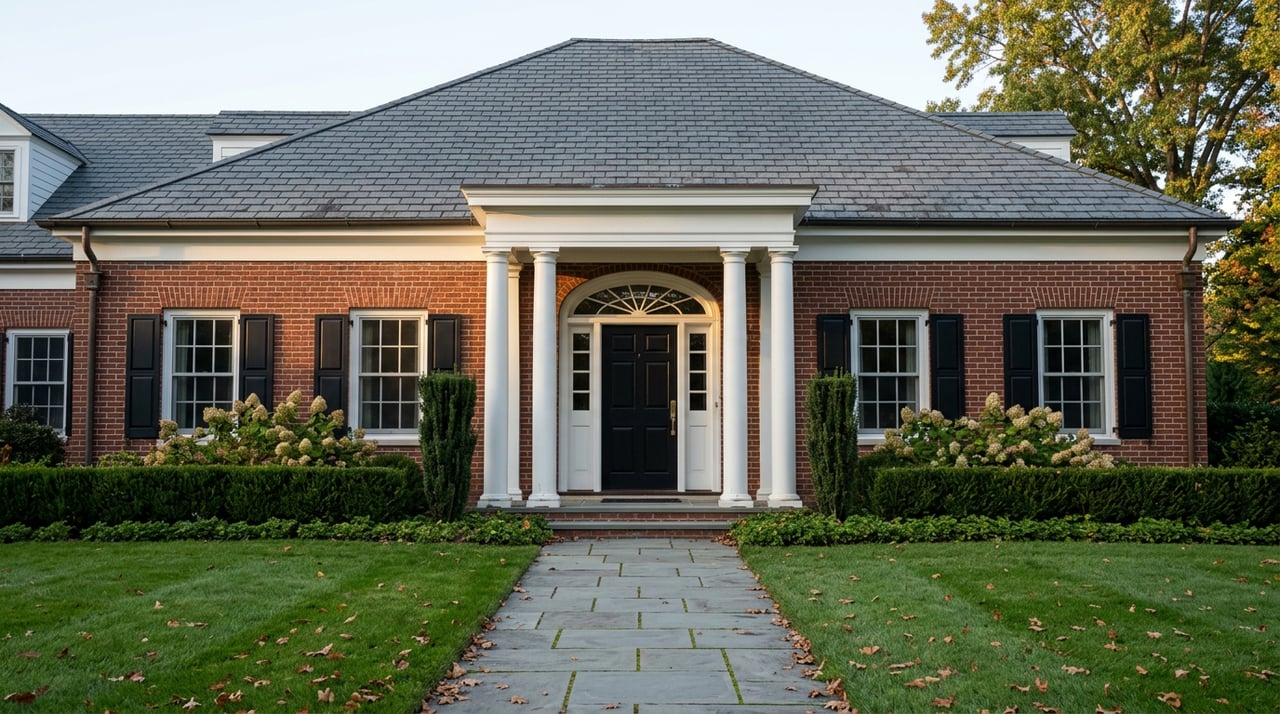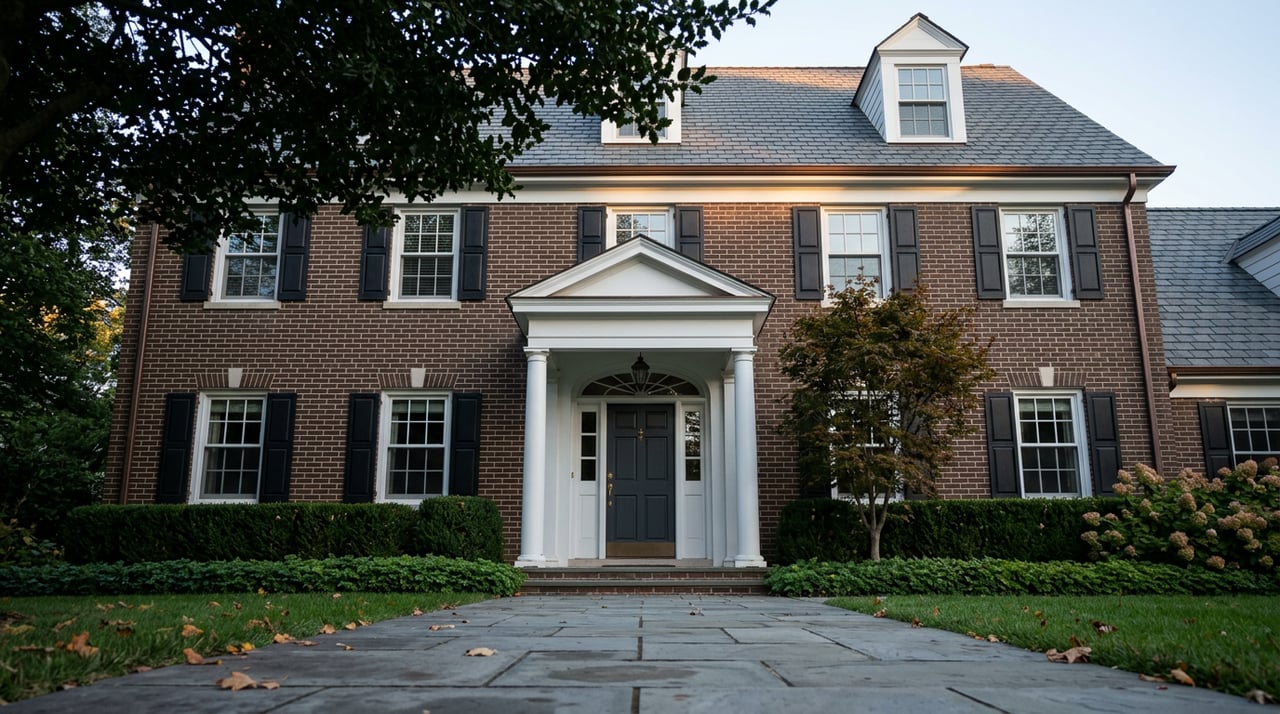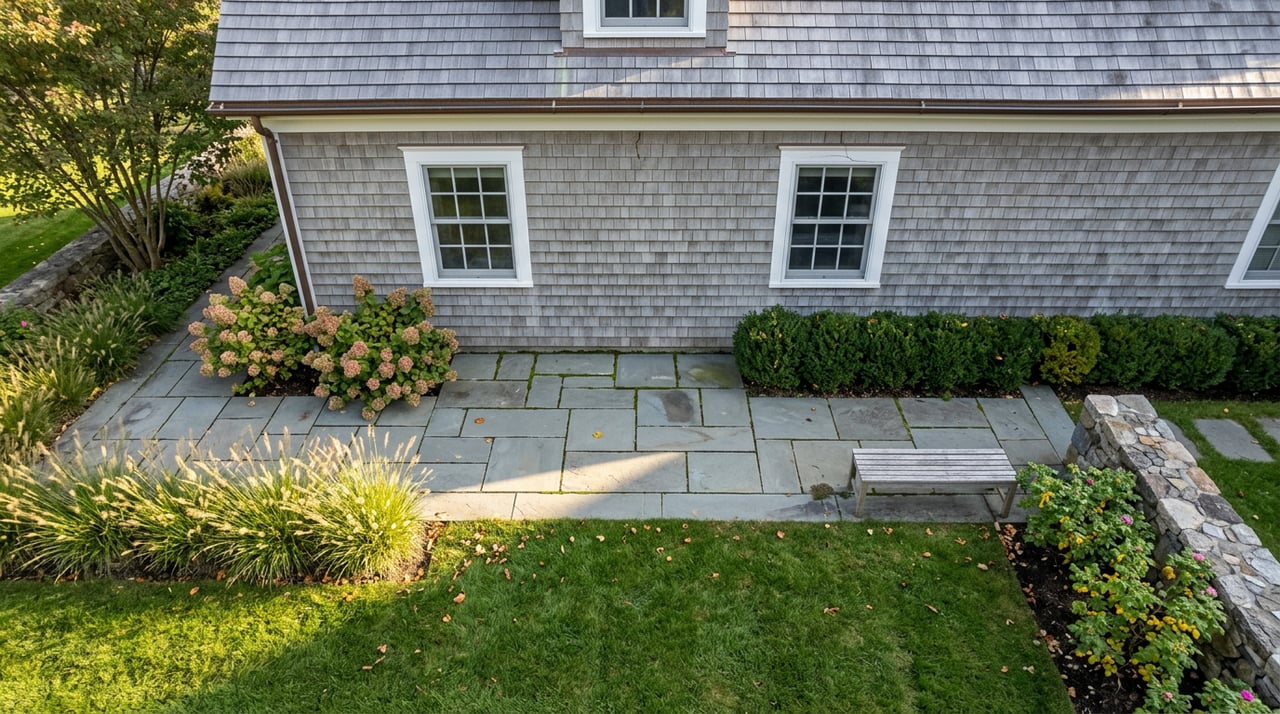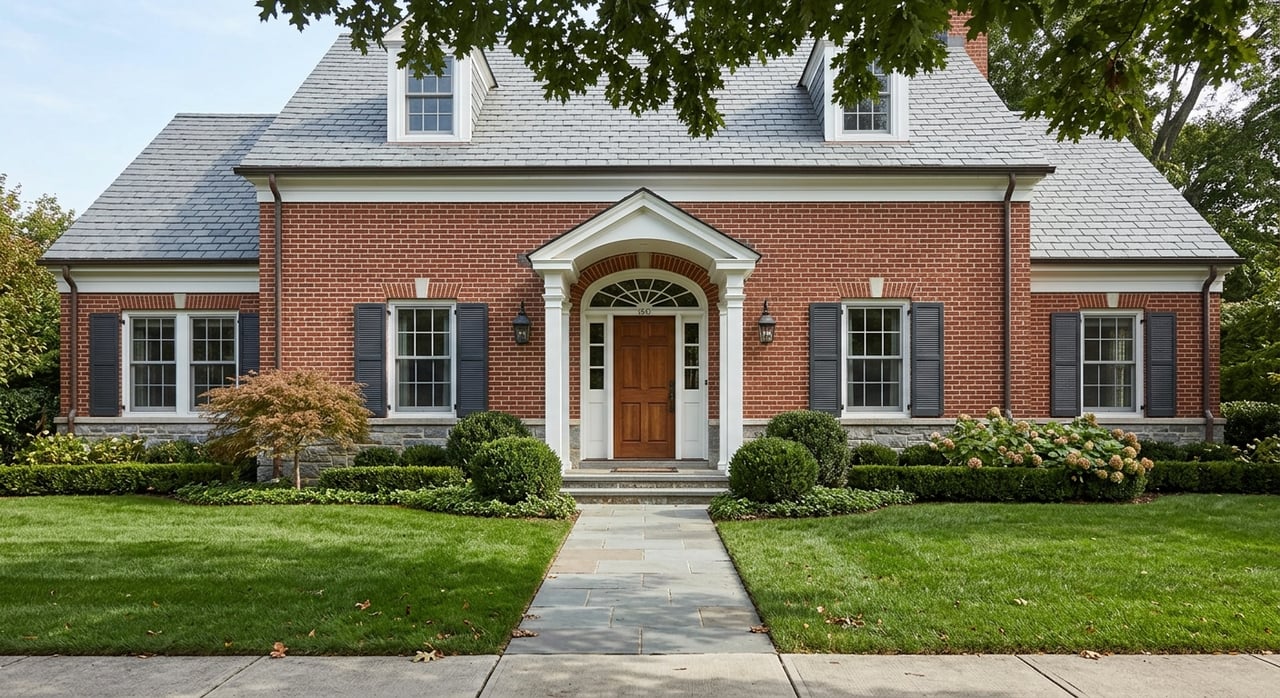
Trying to choose between Roslyn waterfront living and village living? It sounds like a simple style question, but in practice, it shapes how your days will feel, how much space you have, how often you drive, and what kind of home fits your budget. If you are weighing both options, this guide will help you compare lifestyle, home styles, pricing, and ownership considerations so you can decide with more confidence. Let’s dive in.
Roslyn lifestyle starts with your routine
The biggest difference between Roslyn waterfront or village living is not just the view. It is how you want your everyday life to work. In Roslyn, the choice often comes down to a downtown-centered routine versus a more private, harbor-facing residential setting.
Village living tends to suit buyers who want to stay close to the heart of town. Roslyn’s planning materials describe downtown as a historic and waterfront business center, with a compact core shaped around shops, restaurants, pedestrian activity, and nearby transit. If you like the idea of being closer to daily conveniences and a walk-oriented environment, village streets may feel like the better fit.
Waterfront-oriented living leans more private and residential. Nearby Roslyn Harbor offers a useful comparison point, with official descriptions highlighting rolling hills, greenery, harbor views, and larger lots that often measure 1 to 2 acres. That setting usually brings more quiet and space, but it also tends to mean more driving for errands and less spontaneous walkability.
Village living in Roslyn
Walkability and downtown access
If you picture yourself enjoying a more connected daily rhythm, Roslyn village living has a lot to offer. The village comprehensive plan points to a historic downtown with on-street parking, metered lots, pedestrian signals, and a setting that supports walking from place to place. That creates a noticeably different experience from more spread-out harbor-side streets.
Roslyn’s train station also sits immediately southeast of the village, according to the comprehensive plan. For buyers who care about being closer to transit, that can be a meaningful part of the decision. Even if you still drive often, having a more compact layout can make everyday movement feel easier.
Historic character and housing variety
Village streets also stand out for their architecture. Roslyn says the Roslyn Village Historic District contains 82 historic structures in about one square mile, while the Main Street Historic District includes an intact group of Greek Revival frame houses. The broader district features homes and buildings dating from roughly 1680 to 1930, along with notable civic landmarks.
For you as a buyer, that often means more variety in style, size, and price. Instead of one dominant housing type, you may see smaller attached options, older single-family homes, and larger historic properties depending on the block and renovation level. If you value charm and architectural personality, the village core may feel especially appealing.
Budget flexibility in the village
One practical advantage of village living is that it can offer more entry points. Recent examples in the research show a Main Street home that last sold for $665,000, a Main Street co-op that sold for $375,000, and an Old Northern Boulevard house with an estimated value of $875,000. That does not make Roslyn inexpensive, but it does show that village living can span multiple price bands.
That flexibility matters if you want Roslyn’s location and character without stretching all the way into large-lot waterfront pricing. Buyers at different stages, from first-time purchasers to move-up households, may find that the village gives them more ways to enter the market.
Waterfront living near Roslyn
Space, privacy, and views
If your priority is breathing room, the waterfront side of the decision tends to deliver that more clearly. Roslyn Harbor’s official materials describe a mostly residential setting with large lots, harbor views, and an estate-like feel. Many homes face the water or back onto a golf course or former Gold Coast estate land.
That setting can be ideal if you want more privacy and a calmer atmosphere. Larger lots often mean more separation between homes and more outdoor space to enjoy. For many buyers, that tradeoff is worth the extra drive time.
A more car-dependent routine
The flip side is convenience. Waterfront-oriented streets are generally less walkable than the village core, and the research points to a more driving-focused lifestyle for errands, dining, and day-to-day tasks. If you love quiet streets and open space, that may not feel like a downside at all.
Still, it helps to be honest about what your week looks like. If you often want to step out for coffee, dinner, or a quick errand without planning a drive, village living may align better with your habits. If you are happy trading convenience for privacy and views, the waterfront side may win.
Higher pricing on the waterfront side
Waterfront and harbor-adjacent homes usually come with a higher price point. The research shows Roslyn overall in the mid-$1 million range, with Realtor.com reporting a median listing price of $1.38 million and Zillow showing a median list price of $1.53 million and an average home value of $1.65 million. Roslyn Harbor trends higher, with Zillow showing an average home value of $2.04 million.
Recent examples support that gap. The report includes a 5-bedroom, 3.5-bath, 4,284-square-foot home on a 1-acre lot that sold for $2.15 million, along with a $4.35 million listing featuring water views, scenic views, a large yard, and a sizable lot. If you are looking on the waterfront side, it is smart to plan for a higher budget and tighter inventory.
Ownership considerations in both settings
Historic review and permits
One detail buyers sometimes overlook is review and permitting. In Roslyn’s historic district, exterior changes are subject to Historic District Board review, and the village says most home improvements require a permit. That is important if you are buying an older village home with plans to renovate.
On the waterfront side, oversight matters too. Roslyn Harbor’s building department requires permits for indoor and outdoor structural work and major changes. In other words, both village and waterfront purchases can involve more review than you might expect in a typical suburban subdivision.
Think beyond the purchase price
Because of that, your budget should include more than the sale price alone. If you are buying a historic village property, you may want to think about future exterior work and the review process that can come with it. If you are buying a larger harbor-side home, the scope of the property itself may shape future maintenance and improvement plans.
This does not mean either option is better or worse. It simply means the smartest choice is the one that fits both your lifestyle and your comfort level with long-term ownership.
How to decide between Roslyn waterfront or village living
If you are still torn, a simple decision rule can help. Choose village streets if you want easier access to dining, shops, transit, and a historic town feel. Choose the waterfront side if you want views, acreage, more privacy, and you are comfortable with a higher budget and a more car-dependent routine.
You can also ask yourself a few practical questions:
- Do you want to be closer to downtown activity?
- How important is walkability in your weekly routine?
- Would you rather have a smaller home in a central setting or a larger property with more land?
- Are you comfortable with the higher pricing often tied to waterfront or harbor-adjacent homes?
- If you buy an older or distinctive home, are you prepared for permit or review requirements on future improvements?
When you answer those questions honestly, the right fit usually becomes much clearer. In Roslyn, both lifestyles offer something special. The best choice is the one that supports how you actually want to live.
If you are comparing homes in Roslyn and want local guidance on what fits your goals, budget, and timeline, Raquel Knoell can help you sort through the options with a thoughtful, personalized approach.
FAQs
What is the main difference between Roslyn waterfront and village living?
- Village living is generally more connected to downtown shops, restaurants, and transit, while waterfront-oriented living is usually more private, larger in lot size, and more dependent on driving.
Is Roslyn village living more walkable than waterfront areas?
- Yes. Roslyn’s planning documents describe a compact downtown with pedestrian signals, on-street parking, and nearby transit, which supports a more walk-oriented routine than larger harbor-side residential streets.
Are waterfront homes near Roslyn more expensive?
- In many cases, yes. The research shows Roslyn Harbor trending above Roslyn overall, with larger lots, harbor views, and recent examples ranging from about $2.15 million to $4.35 million.
Does Roslyn village have more housing variety?
- Yes. The village core includes a mix of historic homes, smaller properties, and different price points, including examples on Main Street and nearby roads that range well below the higher waterfront price bands.
Do Roslyn homes have permit or historic review requirements?
- They can. Roslyn’s historic district requires review for certain exterior changes, and the village says most home improvements require a permit. Roslyn Harbor also requires permits for structural work and major changes.
How should you choose between Roslyn waterfront or village living?
- Start with your routine. If you want downtown access, transit, and historic character, the village may fit better. If you want privacy, views, and more land, the waterfront side may be the stronger match.