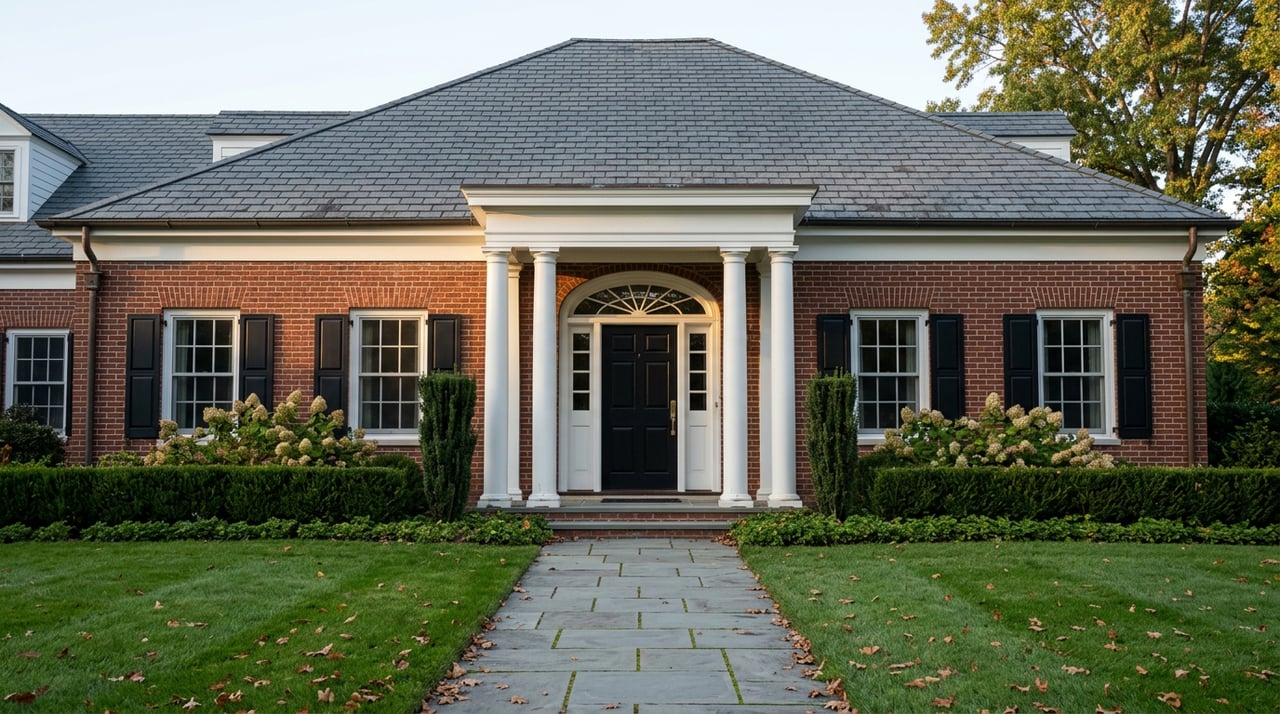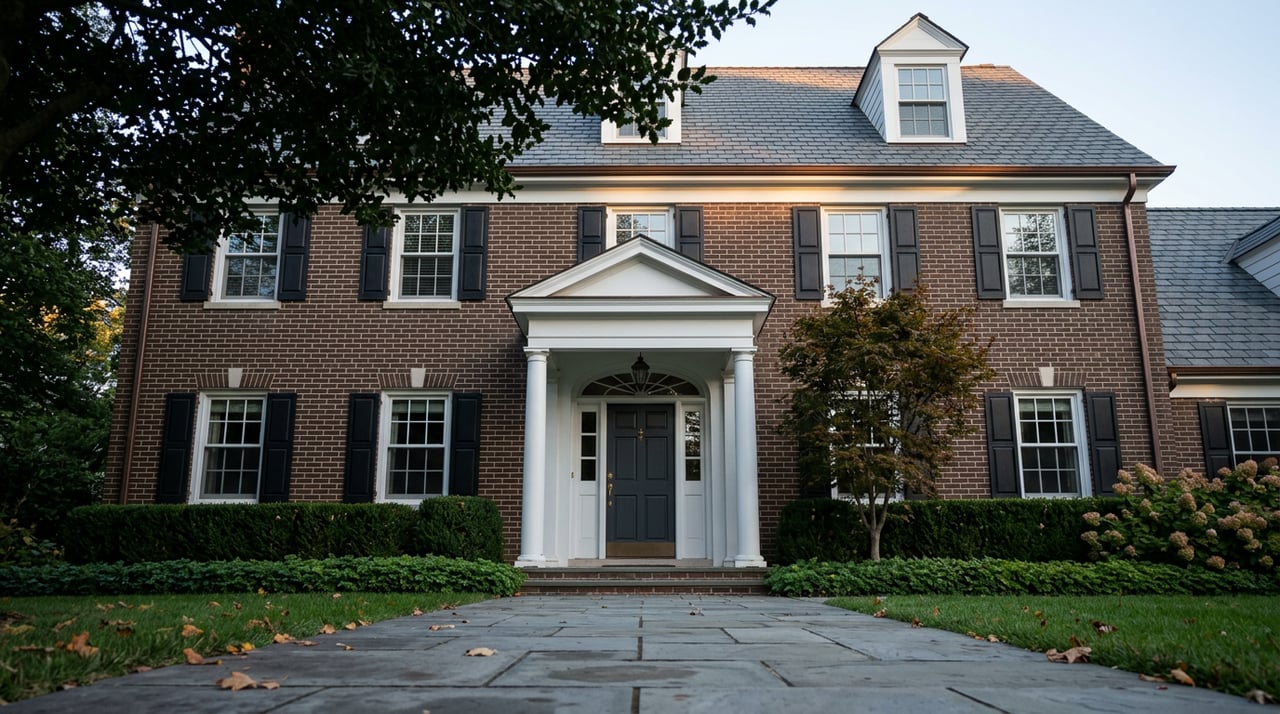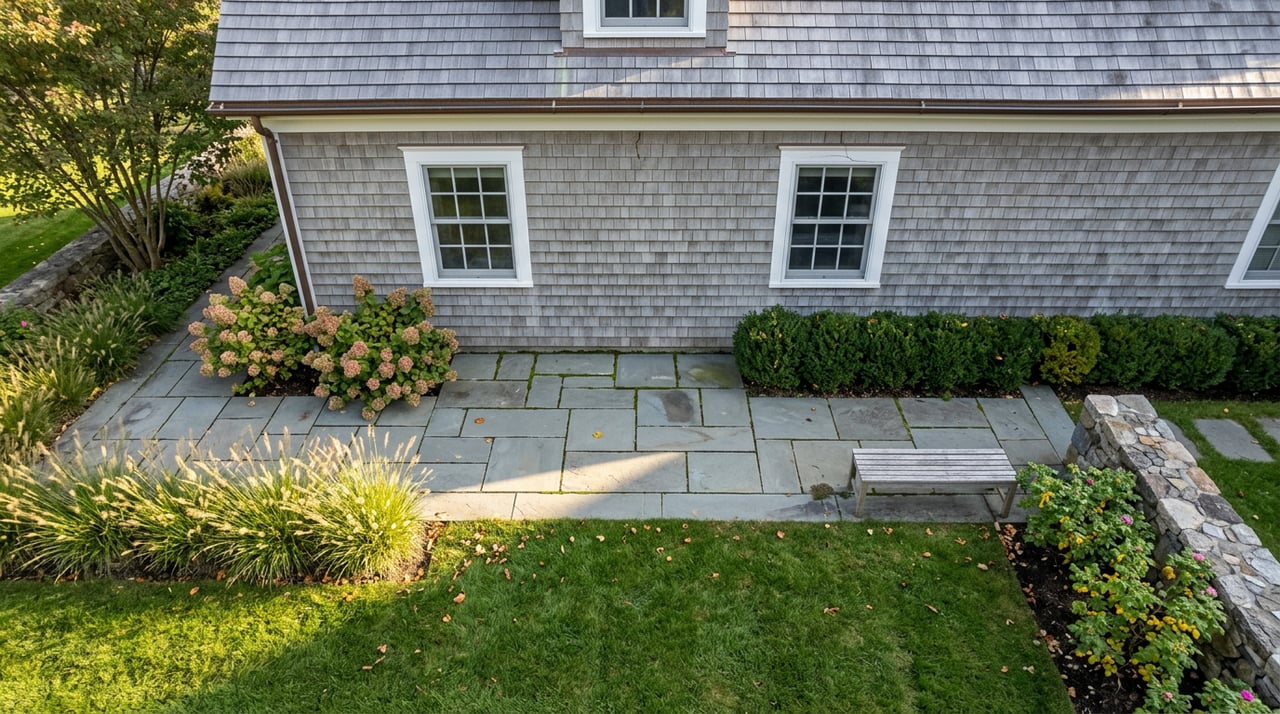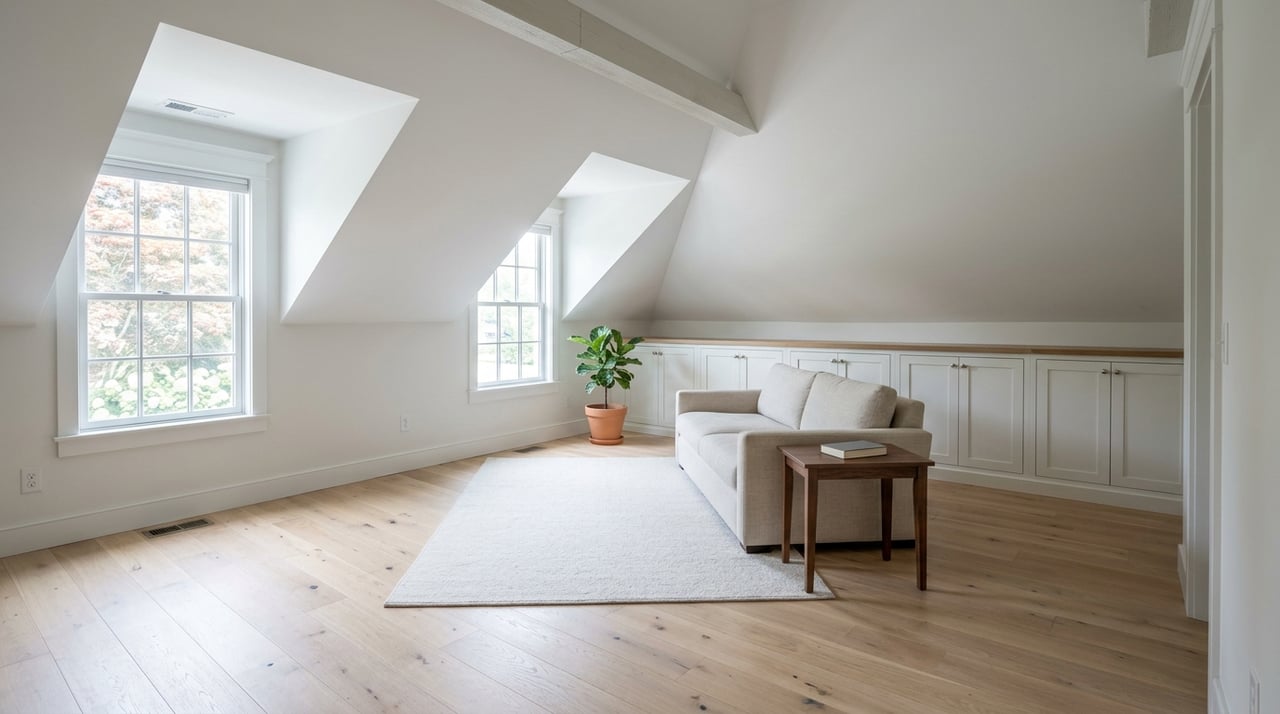
Feeling cramped in a home you once thought would fit for years? In Glen Cove, that is a common crossroads. Many homes were built decades ago, and as your needs change, the question becomes clear: should you expand what you have or make a move to something larger? This guide will help you weigh both paths using Glen Cove’s local housing stock, permit process, and current market conditions so you can make a smarter next step. Let’s dive in.
Why this decision feels so relevant in Glen Cove
Glen Cove has an older housing stock, which often means charm, established streets, and homes that were designed for a different era. The city’s 2024 Comprehensive Plan says the median year of residential structures built is 1958, and more than half of the housing stock is single-family.
That age matters when you start needing more room. A home built in the 1950s or 1960s may not have the open layout, storage, laundry setup, or bedroom flexibility you want today. At the same time, many households stay put for years, which can make the pressure to adapt your current space even stronger.
Census data also shows an owner-occupied housing rate of 51.0%, an average of 2.58 persons per household, and 89.2% of residents living in the same house one year earlier. In practical terms, Glen Cove has a lot of long-tenured households trying to decide whether to improve the home they know or stretch into the next one.
When renovating may make more sense
If you like your location and your space problem is fixable, renovating first may be the better move. That is often true when you need better flow, more storage, or a modest amount of added living area rather than a completely different house.
A renovation-first approach can work well if your home already checks the boxes that are hardest to replace. That might include your lot, your routine, your commute, or simply your comfort with the area and the home itself.
In Glen Cove, this path can be especially appealing because moving up nearby may cost more than expected. Redfin reported a March 2026 median sale price of $785,000 in Glen Cove, while nearby Sea Cliff was at $813,350 and Glen Head was at $855,000. If your next home is only a short distance away but comes with a much higher price, renovation starts to look more attractive.
Renovation may fit if you need:
- A reworked layout
- A finished basement or more usable lower-level space
- Better storage or closet space
- A larger primary suite
- An updated kitchen for daily function
- A family room, laundry area, or improved living flow
These kinds of projects also line up with what buyers tend to value in both day-to-day living and resale. National remodeling data cited in the research report shows strong homeowner satisfaction for projects like a primary bedroom suite addition, kitchen upgrades, and new roofing. Redfin’s Glen Cove home trends also pointed to interest in features like large living rooms, family rooms, basements, laundry areas, fireplaces, and granite counters.
What to know about Glen Cove permits
Before you assume a renovation is simple, it is important to understand Glen Cove’s local rules. The city treats most meaningful home work as permit-triggering work.
According to the city’s permit checklist, a building permit is required for new construction, additions, repair, renovation, alteration, moving, demolition, occupancy, and change of occupancy. That means even work that feels straightforward can involve formal approvals.
The checklist also calls for drawings, a current survey, the contractor’s current Nassau County Home Improvement License, and proof of insurance. Inspections are required, and if permit work does not begin within one year, the permit becomes void.
That process does not mean renovation is a bad idea. It does mean you should go in with open eyes, a realistic timeline, and properly licensed professionals.
If you renovate, keep this checklist in mind
- Confirm whether your project requires a building permit
- Gather drawings and a current survey
- Verify your contractor holds a current Nassau County Home Improvement License
- Request proof of insurance
- Get at least three estimates
- Check references carefully
- Use a written contract
- Hold final payment until the work is complete and inspected
Those last four steps are also supported by New York State guidance for homeowners hiring home improvement contractors in Nassau County.
When moving up may be the cleaner solution
Sometimes the issue is not just square footage. It may be the floor plan, the lot, the bedroom count, or the scale of work it would take to make the home function the way you need.
If your house would require major structural work, a large addition, or a complicated redesign, moving may be the more practical answer. This is especially true if you would rather avoid living through months of construction and inspections.
Moving can also solve problems renovation cannot fix easily. For example, if you need a different overall layout, a larger yard, or a home that already includes the right number of bedrooms and living spaces, buying may give you a cleaner result from day one.
Glen Cove’s market appears active but not frenzied. Redfin’s March 2026 data shows a median of 65 days on market and a 100.7% sale-to-list ratio, with the market described as somewhat competitive. That means you may still face pressure when shopping for a move-up home, especially if you want to stay close to the North Shore communities you already know.
The hidden cost of moving up
The list price is only part of the math. A bigger purchase often comes with transaction costs that renovation can avoid.
Buyer closing costs typically run about 2% to 5% of the purchase price, according to the Consumer Financial Protection Bureau. Beyond that, New York buyers in Nassau County may also need to account for mortgage recording tax.
The current New York State MT-15 form places Nassau County in the Metropolitan Commuter Transportation District and shows a combined mortgage recording tax rate of $1.05 per $100 of mortgage principal, with a $10,000 exclusion on certain one- or two-family residential mortgages. If the purchase price reaches $1 million or more, the state’s mansion tax of 1% also applies.
For many Glen Cove homeowners, that means the next home can cost materially more than the asking price suggests. If you are comparing renovate versus move, this is where a side-by-side cost review becomes essential.
A simple way to compare both paths
The best decision usually comes from comparing your options on one page. You do not need perfect numbers at first, but you do need realistic ones.
Start with the value of your current home, then estimate what it would cost to create the space you need. After that, compare it with the all-in cost of buying your next home, including financing-related costs and closing expenses.
Compare these numbers side by side
| Decision Area | Renovate | Move Up |
|---|---|---|
| Current home value | Include current market estimate | Include expected sale value |
| Project or purchase cost | Contractor bids plus contingency | Target purchase price |
| Permit and inspection needs | Likely required in Glen Cove | Less relevant to your current home |
| Closing-related costs | Usually lower than moving | Add buyer closing costs and applicable taxes |
| Timeline disruption | Construction period at home | Search, contract, closing, and move |
| End result | Improved version of current home | Different home with different layout and lot |
A framework like this helps you focus on facts instead of emotion. It also makes it easier to see whether your problem is really about budget, layout, timing, or long-term value.
Which upgrades tend to make the most sense
If you decide to renovate, focus first on changes that improve how you live every day. In Glen Cove’s housing stock, practical upgrades often matter more than highly customized ones.
Projects tied to usable space, better flow, and storage are often easier to justify. Based on the research report, examples include a primary suite addition, kitchen upgrades, closet improvements, finished basements, or a better laundry setup.
That does not mean every project will fully pay for itself at resale. It means some updates are more likely to support both livability now and market appeal later.
Practical decision rules for Glen Cove homeowners
If you are stuck, a few simple rules can help narrow the choice.
Renovate first if:
- You like your location and want to stay
- Your space issue is solvable with a manageable project
- Your lot and structure can support the work
- The move-up price jump feels too steep
- You want to avoid selling and buying at the same time
Move first if:
- You need a very different layout or bedroom count
- The lot or structure limits what can be added
- The permit burden feels too heavy for the scope of work
- You do not want to live through a renovation timeline
- The right next home solves multiple problems at once
In Glen Cove, that balance is especially important because the housing stock is older and the permit process can be more involved than many homeowners expect. Some homes can be adapted efficiently, while others are limited by structure, zoning, or the scale of work needed.
How local guidance can save you time
This is one of those decisions where local knowledge really matters. A renovation that looks simple on paper may run into permit, survey, or contractor issues. A move that sounds exciting may look very different once you price nearby options and add closing costs.
That is why it helps to compare your current home with real move-up inventory, not just online guesses. You want to know what your home could sell for, what your next purchase might realistically cost, and whether a renovation budget would get you close enough to your goal.
If you are weighing your options in Glen Cove or anywhere on Long Island’s North Shore, Raquel Knoell can help you look at both sides clearly, from your current home value to nearby move-up opportunities.
FAQs
Should I renovate or move if my Glen Cove home feels too small?
- If your location still works and the space issue can be solved with a manageable project, renovating may make sense. If you need a very different layout, lot, or bedroom count, moving may be the cleaner option.
Do renovations in Glen Cove usually require permits?
- Yes, many meaningful projects do. The city says permits are required for work such as additions, repairs, renovations, alterations, demolition, occupancy, and change of occupancy.
What should I check before hiring a contractor in Nassau County?
- Verify that the contractor has a current Nassau County Home Improvement License, ask for proof of insurance, get at least three estimates, check references, and use a written contract.
How much more expensive can moving up in Glen Cove be?
- The cost can go well beyond the purchase price because buyers may pay closing costs of about 2% to 5% of the purchase price, plus Nassau County mortgage recording tax and, at $1 million or more, New York’s mansion tax.
Which home improvements may help both livability and resale in Glen Cove?
- Projects that improve usable space and function often stand out, including kitchen upgrades, primary suite additions, closet improvements, basements, laundry areas, and better living flow.
Is Glen Cove a competitive market for move-up buyers?
- Glen Cove was described by Redfin as somewhat competitive in March 2026, with a median sale price of $785,000, 65 median days on market, and a 100.7% sale-to-list ratio.