Trying to choose between a Colonial, Cape, Tudor, Split-Level, or Ranch in Oyster Bay? You are not alone. With a rich mix of early 20th-century homes and postwar neighborhoods along Long Island’s North Shore, each style offers a different day-to-day feel, maintenance profile, and resale path. In this guide, you will learn how each home type typically lives, what to watch for during inspections, and how local factors like oil heat, septic vs sewer, and coastal rules can influence your decision. Let’s dive in.
Oyster Bay housing at a glance
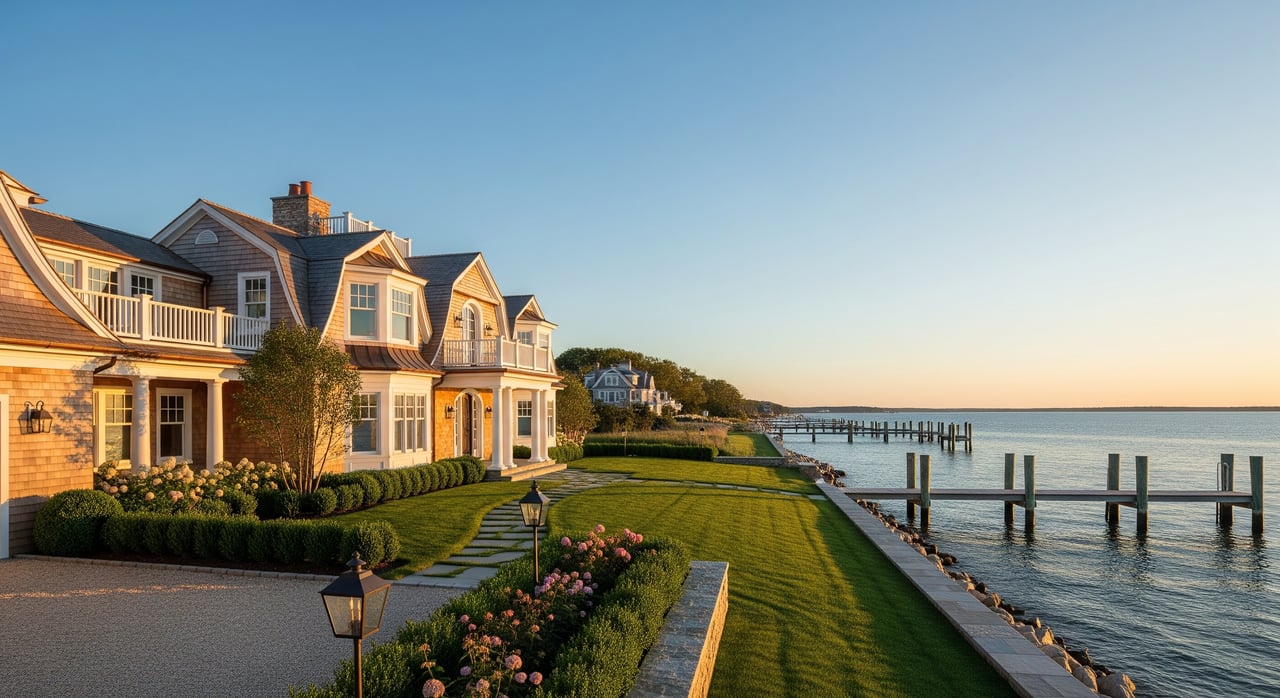
Oyster Bay and its nearby villages combine historic downtown streets, postwar suburbs, and some waterfront pockets on the harbor and the Sound. That mix means you will see older Colonials and Tudors near established areas alongside mid-century Capes, Split-Levels, and Ranches. Many homes from the 1940s to the 1970s have since been renovated, with newer infill sprinkled into desirable blocks.
Local value drivers often include school district quality, commute options, lot size and tree-lined appeal, proximity to water, and historic character. On the practical side, some older homes still use oil-fired heat, and sewer access varies by neighborhood, with others relying on cesspools or septic systems. Waterfront or low-lying properties may sit in FEMA flood zones that affect insurance and renovations.
Colonial homes: classic and versatile
What you get
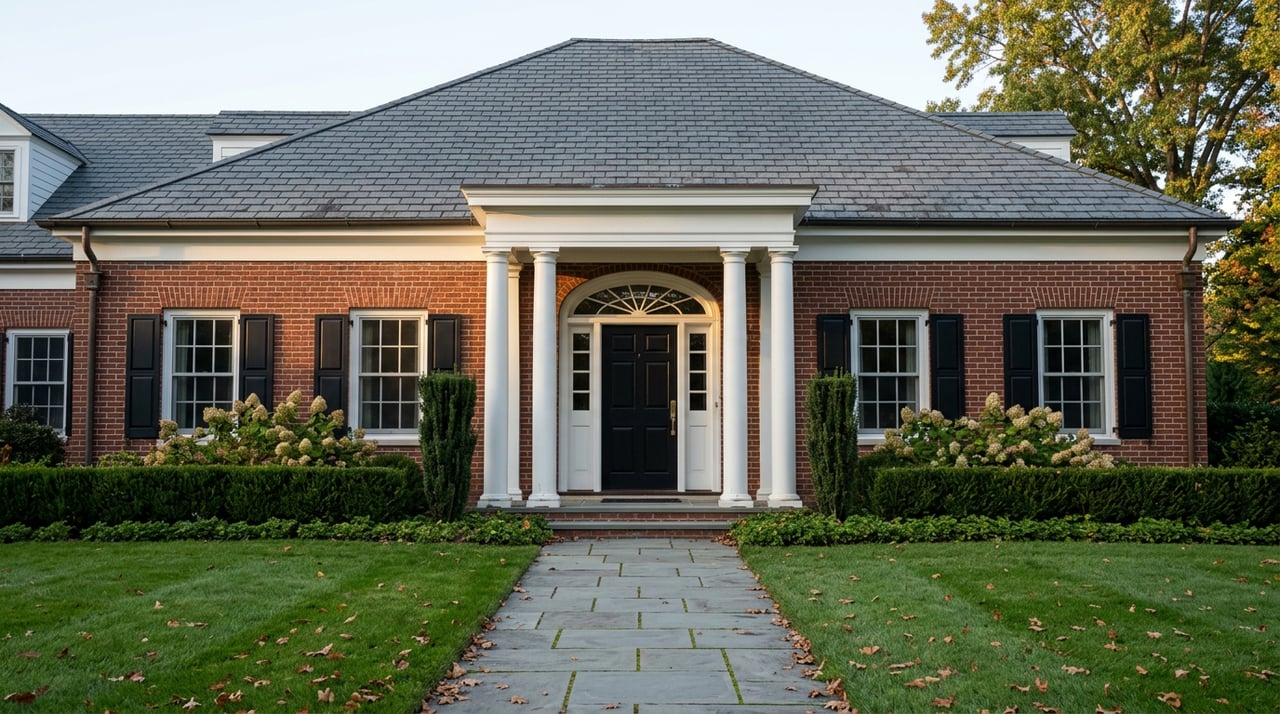
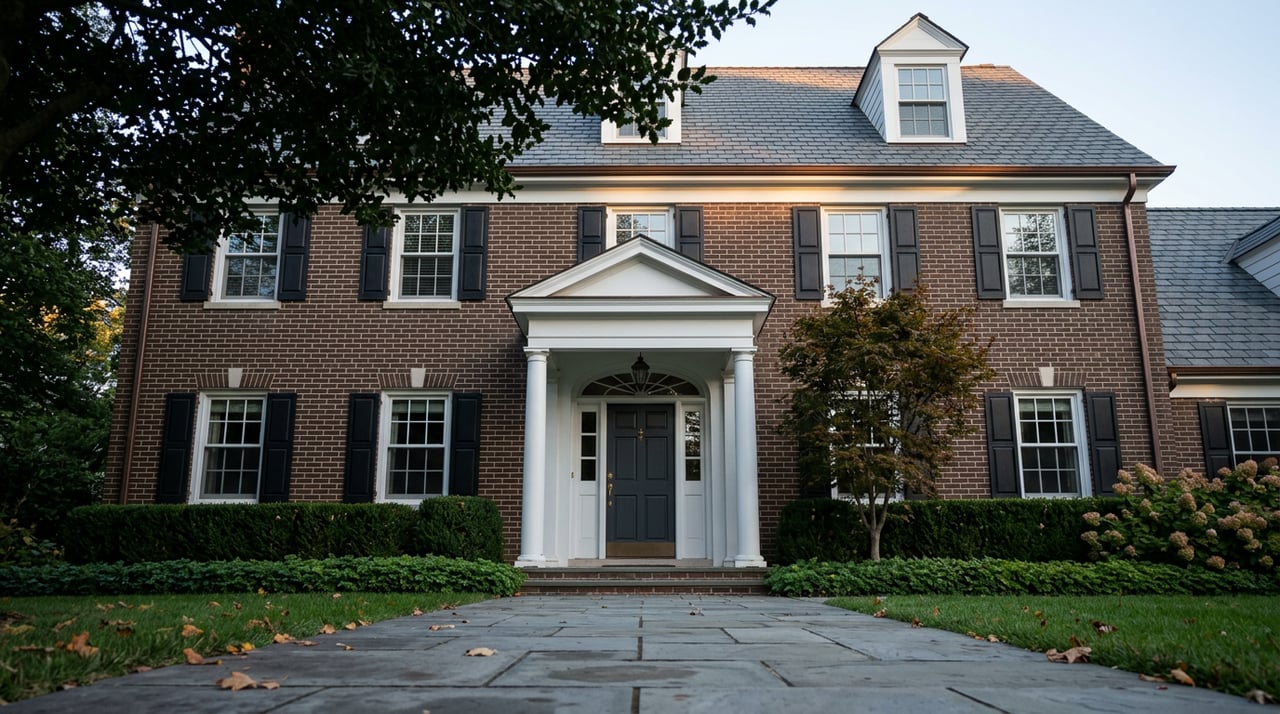
Colonials usually offer two full stories with a balanced front, often a center hall, and bedrooms upstairs with living and kitchen spaces on the main floor. Many have full basements and traditional millwork details. You will find early 20th-century examples as well as mid-century Colonial revival versions across the North Shore.
Maintenance to expect
Two-story roofs can add cost when replacement time comes. Older basements may show moisture or drainage issues, so grading, gutters, and sump systems deserve a close look. Original wood windows and exterior trim can be beautiful, but they need steady care or thoughtful replacement. Mechanical systems, especially older boilers or oil-fired heat, may be due for updates.
Resale outlook
Colonials have broad market appeal thanks to their traditional layout and separation of spaces. Renovated kitchens and baths, plus a finished basement, tend to perform well at resale. If a home is in a designated historic area, you may face added review for exterior changes, which can protect character while shaping modernization plans.
Inspection focus
- Basement moisture and drainage patterns
- Roof age and condition across two-story spans
- Window and trim condition, including potential replacement scope
- Heating system type, age, and insulation levels
Cape Cod homes: cozy, efficient footprints
What you get
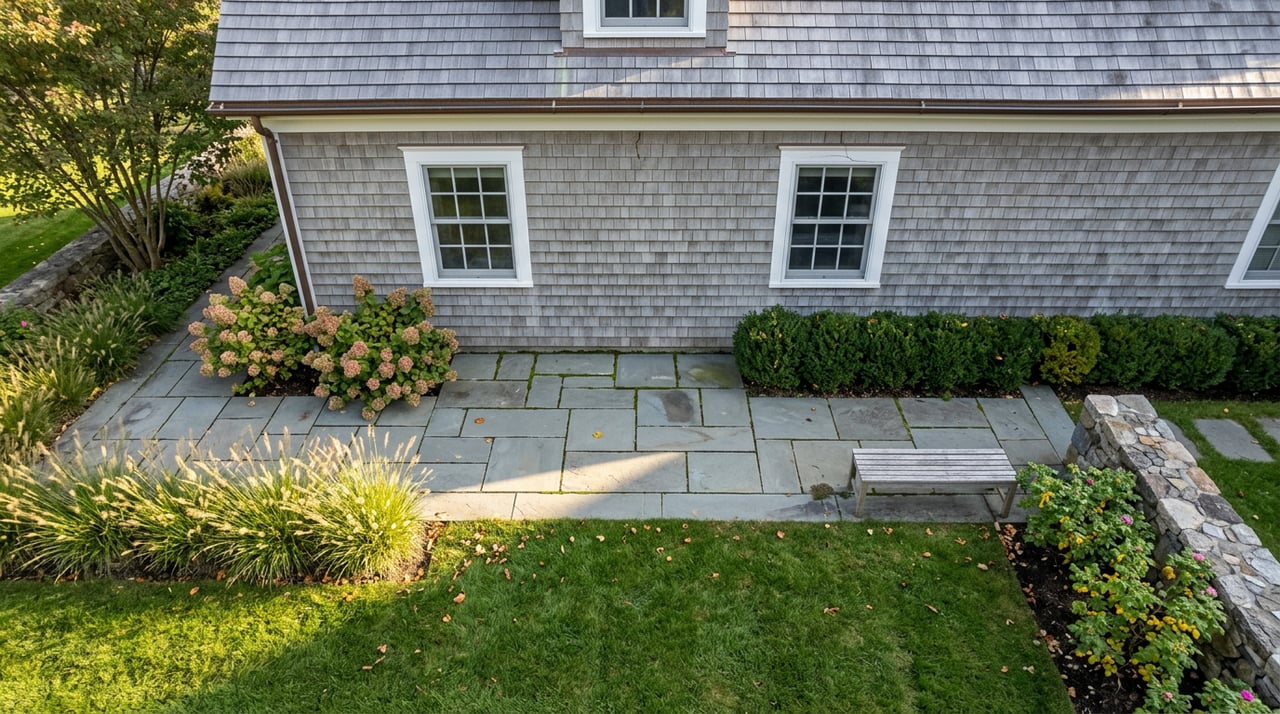
Capes are typically 1 to 1.5 stories with a steep roof and dormers. Expect ground-floor living spaces and compact upstairs bedrooms tucked under the roofline. Many have wood shingles or clapboard and may include later dormer additions for more headroom.
Maintenance to expect
Attic and knee-wall insulation are common pain points. Pay attention to ventilation and any signs of past ice dams. Roof intersections around dormers are potential leak zones. Some Capes have crawlspaces or partial basements, where moisture control and access matter.
Resale outlook
Capes appeal to buyers who prefer cozier living or smaller yards. Adding dormers or converting a first-floor bedroom to a primary suite can lift marketability. The cost to renovate is often manageable compared to larger two-story homes, though expansion depends on lot size and zoning.
Inspection focus
- Insulation and ventilation in attic and knee-wall areas
- Dormer flashing, roof penetrations, and signs of leaks
- Crawlspace or basement moisture
- Heating system efficiency and age
Tudor homes: character and craftsmanship
What you get
Tudor Revival homes feature steep gables, decorative half-timbering, stucco or brick, tall narrow windows, and prominent chimneys. Interiors often include irregular room shapes, smaller rooms, and sometimes split or sunken spaces. Many local examples date from the early 1900s through the 1930s.
Maintenance to expect
Stucco, brick, and half-timber elements require specialized repair to manage cracks, mortar wear, and moisture control. Complex rooflines with multiple valleys introduce more flashing points. Original leaded or wood windows can be costly to restore. Chimneys may need tuckpointing, new caps, or flashing repairs.
Resale outlook
Tudors deliver standout curb appeal that attracts buyers who value character. With that charm comes higher upkeep to preserve materials and details. In conservation or historic districts, exterior renovations may face design standards that protect the streetscape.
Inspection focus
- Stucco, brick, and timber condition for moisture and settlement
- Roof valleys, flashing, and complex junctions
- Chimney stability and masonry integrity
- Window condition and options for restoration vs replacement
Split-Level homes: flexible midcentury living
What you get
Split-Levels use short stair runs to create staggered floors, often with an entry level, an upper bedroom level, and a lower family room or partial basement. Many include sliding doors to the yard and a naturally zoned layout that separates daily activities.
Maintenance to expect
Lower levels that are partially below grade can be damp, so waterproofing and drainage deserve attention. Older HVAC with multiple zones may need balancing or replacement. Stairs and railings see heavier use and should be secure. Asymmetrical roof planes can create tricky drainage and ice-dam conditions.
Resale outlook
Split-Levels fit buyers who want defined zones for living, working, and relaxing. If you need single-level living, they may not be ideal. Opening sightlines between the kitchen and family spaces can modernize the feel, though structural planning is more involved than a simple wall move.
Inspection focus
- Waterproofing and drainage at lower levels
- HVAC zoning, ductwork, and system age
- Structural connections across split levels
- Stair safety and handrail condition
Ranch homes: single-level convenience
What you get
Ranches are single-story with a low profile and can feel more open, with large windows and often an attached garage. Variants include raised ranches with a short stair to lower levels. Many postwar examples sit on larger suburban lots.
Maintenance to expect
Because the footprint is wide, the roof can be a significant expense when replacement is due. Single-level living is simpler for accessibility and aging in place. The foundation type matters: slab-on-grade can limit plumbing relocations, while basements offer more flexibility. Lateral additions are often straightforward if the lot allows.
Resale outlook
Demand is strong among buyers who prioritize one-floor living. Finished basements and thoughtful kitchen or bath updates help a Ranch compete against newer builds. On smaller lots, a Ranch can be more cost-effective per square foot than a two-story home.
Inspection focus
- Roof condition over wide spans
- Slab vs basement access for plumbing and mechanicals
- HVAC location and ductwork efficiency
- Foundation moisture and perimeter grading
Match your style to your lifestyle
- Want separation of rooms and classic flow? Choose a Colonial or larger Tudor.
- Need single-level living or planning to age in place? A Ranch can be ideal, and some Split-Levels can work with a main-floor bedroom plan.
- Love historic character and curb appeal? Consider a Tudor or older Colonial, and plan for specialized maintenance.
- Looking for value you can unlock? Capes, Split-Levels, and many Ranches offer strong renovation upside with manageable projects.
Plan your budget and timeline
Older North Shore homes often need strategic upgrades. Prioritize the roof, heating system, electrical service, windows, and insulation. If the property uses oil-fired heat, consider the age of the tank and the boiler and plan for future conversion or replacement.
Confirm sewer vs septic or cesspool status early. Utility setups vary by district and affect monthly costs and renovation scope. For waterfront or low-lying lots, check whether the property is in a flood zone and how that impacts insurance and any future elevation or mitigation work.
If the home is in a village with historic or design review, expect extra steps for exterior changes. Permits are typically required for structural, electrical, and mechanical projects, and licensed contractors are standard. Build time and cost buffers into your project plan.
Inspection checklist to take to showings
General priorities
- Roof age and condition
- Foundation, grading, and basement moisture
- Heating and cooling system type, age, and fuel
- Electrical panel capacity and wiring type
- Insulation levels and window condition
- Plumbing materials and evidence of leaks
- Potential presence of lead paint in pre-1978 homes and older materials that may contain asbestos
Style-specific hot spots
- Colonial: basement moisture control, stair structure, window preservation
- Cape: attic and knee-wall insulation, dormer flashing
- Tudor: stucco and mortar condition, roof valleys, chimney maintenance
- Split-Level: lower-level waterproofing, HVAC zoning, stair safety
- Ranch: slab vs basement plumbing access, large roof spans, accessibility options
Renovation ideas that add value
- Colonial: open or expand the kitchen, finish the basement, add a primary suite if the lot allows.
- Cape: add dormers for full-height bedrooms, or expand the first floor to create a main-level suite.
- Tudor: modernize kitchens and baths while preserving exterior character; plan for periodic masonry and moisture management.
- Split-Level: open the kitchen to the family room, convert underused areas into bedrooms or an office, and improve natural light.
- Ranch: add a lateral extension, consider a garage conversion where appropriate, and finish the basement for significant square footage.
Your next step on the North Shore
Choosing the right home style in Oyster Bay comes down to how you live today and how you plan to live tomorrow. Focus on layout fit, plan for smart upgrades, and factor in local details like heat source, sewer vs septic, and potential flood considerations. When a house matches both your lifestyle and your budget plan, you position yourself for comfort now and healthy resale later.
If you want a local perspective and access to curated on- and off-market options, connect with Raquel Knoell for a personalized plan.
FAQs
Which North Shore home style is easiest to maintain?
- Maintenance depends more on age, materials, and prior upkeep than style; updated Ranches can be lower maintenance, while historic Tudors or Colonials may require specialized care.
Are older Oyster Bay homes energy-inefficient?
- Many have lower insulation levels and older windows or heating systems; targeted upgrades like attic insulation, air sealing, high-efficiency HVAC, and better windows can deliver meaningful savings.
How important are lot size and setbacks for renovations?
- They are critical for addition potential and privacy, and waterfront or coastal rules can further shape your options; always review local zoning before planning expansions.
What should I prioritize in an inspection negotiation?
- Focus on structure, roof, major mechanicals, foundation and basement moisture, and sewer or septic status; secure contractor estimates for large items before final negotiations.
Does historic character help or hurt resale in Oyster Bay?
- Character can increase interest and value in areas that prize it, but it can also raise renovation costs and may require adherence to local preservation or design standards.