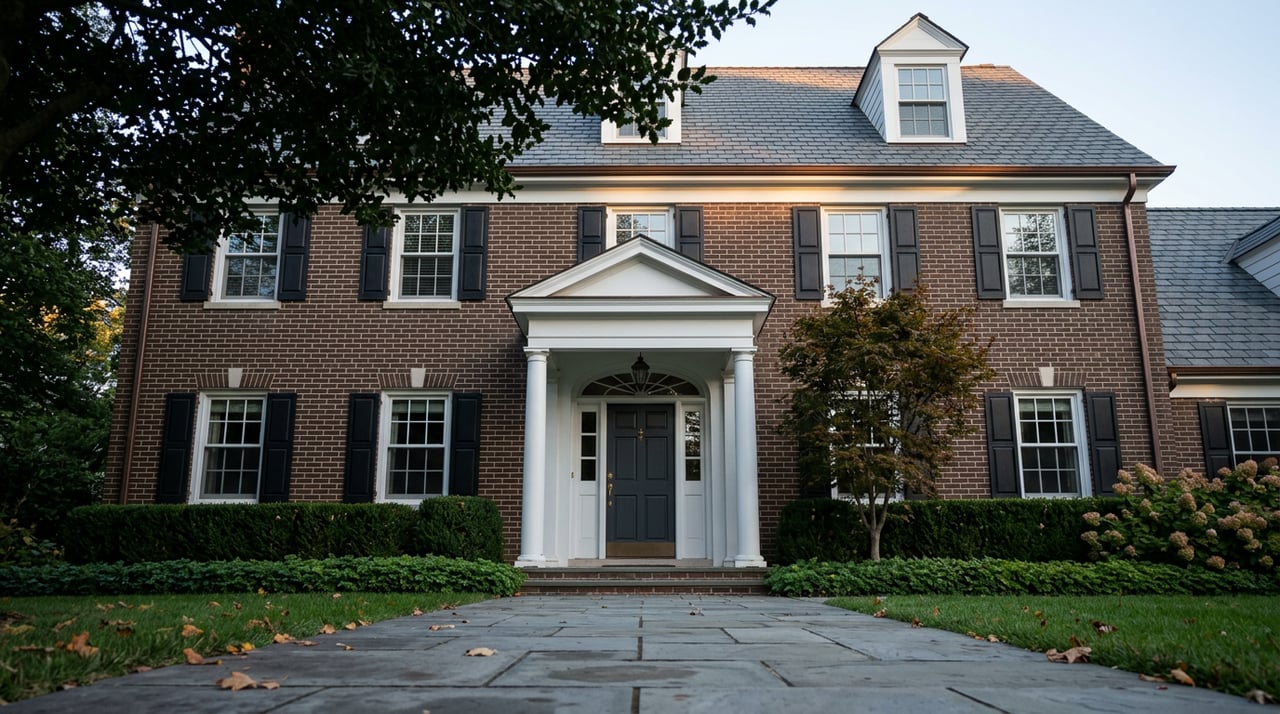
Want to sell your Manhasset home without a public spotlight, weekend crowds, or constant drive-bys? You are not alone. Many North Shore sellers value discretion and control, especially with high-value properties. In this guide, you will learn how off-market and limited-exposure listings work, the rules that apply locally, what you trade for privacy, and a clear plan you can follow. Let’s dive in.
What off-market means
Off-market or pocket listings are homes offered for sale with limited public advertising. Instead of a broad MLS launch, your agent quietly shares details with a curated set of buyers and trusted brokers. Showings are typically by invitation with strong buyer screening.
You have several flavors to choose from:
- Office exclusive: Your listing is shared only within one brokerage, not the public MLS. This is recognized under the industry’s Clear Cooperation framework when you give informed consent. See the National Association of REALTORS Clear Cooperation Policy for how public marketing triggers MLS submission rules and what exemptions exist. Review the policy framework.
- Coming soon: A short pre-launch status where a property is filed with the MLS but not yet shown. Local forms and timelines vary. See OneKey MLS listing forms and statuses.
- Delayed marketing: A newer option that allows MLS filing while delaying public syndication for a limited, documented period. Learn how delayed marketing fits under Clear Cooperation.
- Brokerage private networks: Large brokerages offer internal platforms to circulate listings privately before or instead of a public launch. Explore how Douglas Elliman positions private listings.
Why sellers choose it in Manhasset
Manhasset’s market skews high value with a smaller, discerning buyer pool. Many qualified buyers are already connected to established North Shore broker networks and local offices. Douglas Elliman maintains a Manhasset office that serves this buyer base, which can support targeted outreach.
Sellers often choose limited exposure to prioritize privacy, limit foot traffic, test price before a broad launch, or coordinate sensitive timing. These reasons are common in affluent markets along the North Shore. Industry coverage outlines why private inventory remains attractive.
Rules and listing options
Understanding the rules keeps your strategy compliant:
- Clear Cooperation Policy: If you publicly market a property, MLS submission must occur within one business day. Office exclusives and delayed marketing are allowed when you give informed, written consent. Read the policy details.
- OneKey MLS procedures: OneKey provides forms for Office Exclusive, Coming Soon Authorization, and Seller Internet Opt-Out. Using the right status and paperwork is essential. View OneKey’s documentation.
- New York disclosures: Private does not mean informal. New York’s Property Condition Disclosure rules and lead-paint requirements still apply. Confirm timing and content with your attorney. See the legislative text and updates.
- Portal visibility: Private listings may not appear on major consumer portals. Listing access standards have led to removals when a property is publicly marketed but not supplied via an MLS feed. Review recent litigation filings that explain these standards.
Price and exposure tradeoffs
Research consistently shows that more exposure often produces higher outcomes. A regional analysis reported that homes listed on the open marketplace in the Mid-Atlantic sold for nearly $56,000 more during the peak pandemic period compared to off-MLS sales in that study. While every market is different, the takeaway is clear. Reduced exposure usually reduces buyer competition, and that can impact price. See the Bright MLS study summary.
In a small, high-value area like Manhasset, a private sale can still succeed if your agent has vetted buyers who match your price and timing. Just weigh the benefit of privacy against the potential cost of fewer competing offers. Many sellers favor a short private window with a firm plan to go public if targets are not met.
Manhasset selling strategies
Option A: Short private window
Run a 7 to 21 day private period to a curated buyer list, with proof of funds and tight showing protocols. Set a written fallback to launch on MLS if you do not achieve your target. Here is how large broker networks support curated outreach.
Option B: MLS with limited internet
File on the MLS so cooperating agents can find it, then use a seller internet opt-out or address masking where available. This keeps broker visibility while limiting consumer portal exposure. Check OneKey MLS forms for available options.
Option C: Brokerage private network
Leverage a brokerage’s internal platform to circulate the listing privately. Clarify how this affects portal visibility and when you will pivot to public marketing if needed. Review private network positioning.
Your private-sale checklist
Use this quick checklist to keep your process tight and compliant:
- Written scope and timeline: Document your choice, private-window length, and the trigger for an MLS launch. See how policy expects documentation.
- Buyer screening plan: Require proof of funds or fully underwritten financing before showings. Use NDAs when needed, and have counsel review.
- Marketing materials: Prepare polished photos, a floor plan, and a concise info packet for vetted buyers and brokers only. Track distribution. Learn how curated materials support private sales.
- Portal and MLS effects: Confirm if your home will appear on major consumer portals while private. Document the implications. Understand recent access standards via litigation filings.
- Legal and disclosures: Prepare required New York disclosure forms and any federal lead-paint disclosures for pre-1978 homes. Confirm timing with your attorney. Reference the statute updates.
- Pricing and comps: Ask for a CMA that includes recent MLS comps and any known private comps. Set your private-window net target and a public launch price plan.
Smart questions to ask
How many vetted buyers in your private Rolodex have bought in Manhasset in the last 12 months, and how will you reach them?
Will you file with OneKey MLS or keep it office exclusive, and what forms will I sign? See OneKey’s listing forms.
If we market privately first, how long is the private window and what triggers a public launch? Learn how to structure a phased plan.
Will my property appear on major consumer portals while private, and if not, how will you ensure enough buyer coverage? Review recent access-standard context.
Based on recent local comps, what are the likely tradeoffs in dollars and days on market if we stay private longer? See evidence on exposure and pricing.
Is it right for you?
An off-market path can be a smart tool when privacy and timing are your top priorities. It is most effective when your agent has direct access to well-matched, qualified buyers and when you set a clear decision point to expand exposure. If your number one goal is to chase maximum price through broad competition, a timely MLS launch usually gives you the best shot.
If you want a quiet start with a strong backup plan, our team can help you map a short private window, set a pricing strategy, and prepare a polished public launch if needed. Connect with Raquel Knoell to talk through your options.
FAQs
What is an off-market listing in Manhasset?
- It is a listing shared privately to vetted buyers and select brokers instead of a public MLS launch, often using options like office exclusive or delayed marketing under local MLS rules.
How does NAR’s Clear Cooperation Policy affect my plan?
- If you publicly market the home, you must submit it to the MLS within one business day. Office exclusives and delayed marketing are allowed with your informed, written consent. Read the policy.
Will my home appear on major portals if I sell privately?
- Not always. Listing access standards can remove publicly marketed homes that are not in an MLS feed, which reduces portal visibility. See related litigation filings.
How long should a private window last in Manhasset?
- Many sellers use 7 to 21 days to test pricing and buyer fit, then pivot to MLS if targets are not met. The right timing depends on your goals and buyer response.
Do I still need New York disclosure forms if I sell off-market?
- Yes. State property condition disclosures and any required lead-paint forms still apply. Confirm timing and content with your attorney. Review the statute language.