Trying to choose between a house, condo, or co-op in Port Washington? You are not alone. In a market where home values are high and monthly carrying costs can shape your budget just as much as the purchase price, the right fit often comes down to how you want to live day to day. This guide will help you compare the trade-offs, understand what each option really means in New York, and narrow in on the property type that fits your goals in Port Washington. Let’s dive in.
Why this choice matters in Port Washington
Port Washington is not a one-size-fits-all market. It offers a mix of commuter convenience, waterfront amenities, and a range of housing options that can appeal to first-time buyers, move-up buyers, and downsizers alike.
If you commute, the Long Island Rail Road Port Washington branch connects you to Penn Station, Grand Central, Woodside, Flushing Main Street, Murray Hill, and other stops. The U.S. Census QuickFacts profile for Port Washington reports a mean travel time to work of 35.4 minutes, a 76.9% owner-occupied housing rate, and a median owner-occupied home value of $1,003,200. That is a big reason why your total monthly cost matters so much here.
Port Washington also has a distinct lifestyle component. According to Town of North Hempstead resources referenced by the community, local amenities include beaches, boat ramps, fishing piers, walkways, kayaking, sailing, and Town Dock mooring. For many buyers, the question is not just what you can afford, but which property type best supports the way you want to spend your time.
What each property type means
Before you compare options, it helps to understand what you are actually buying.
House ownership basics
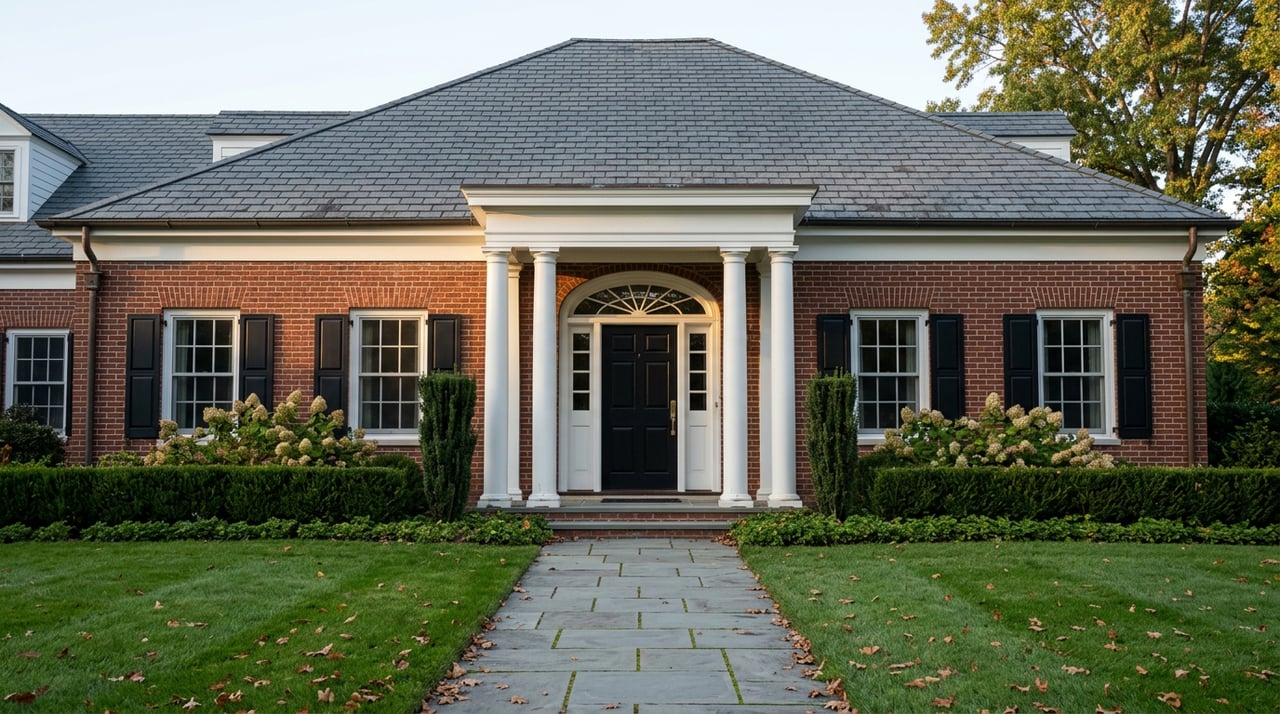
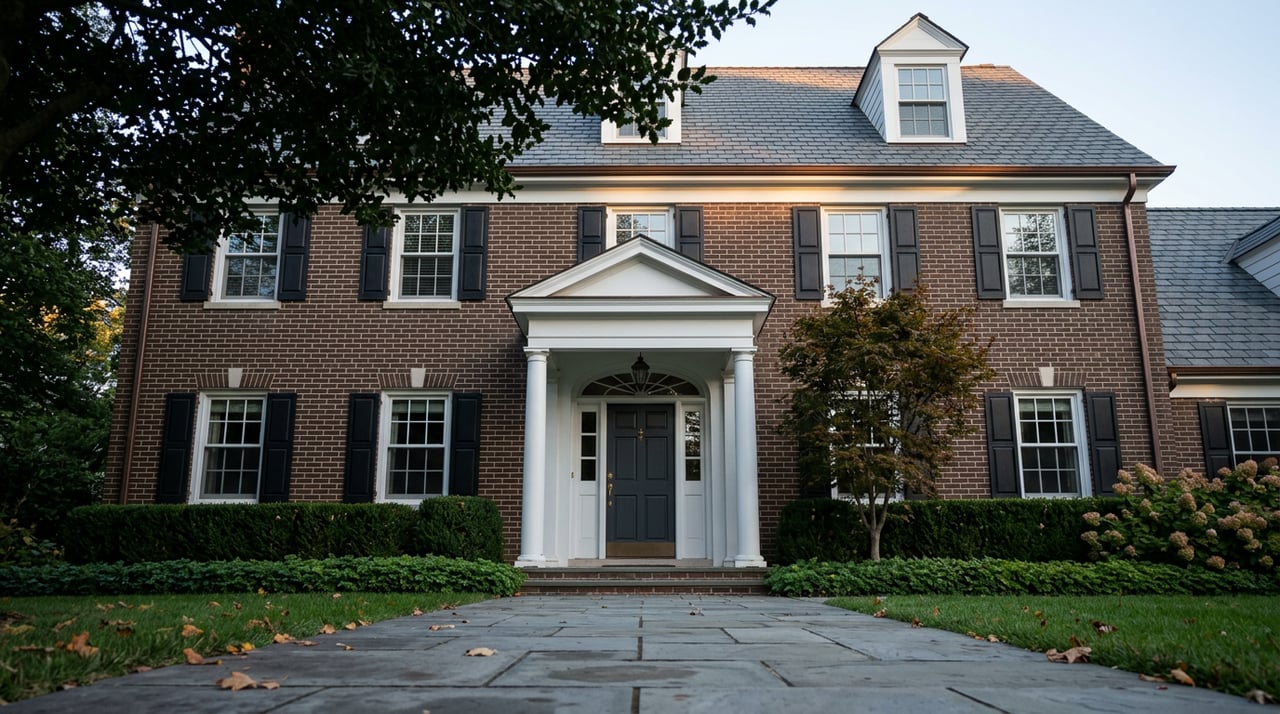
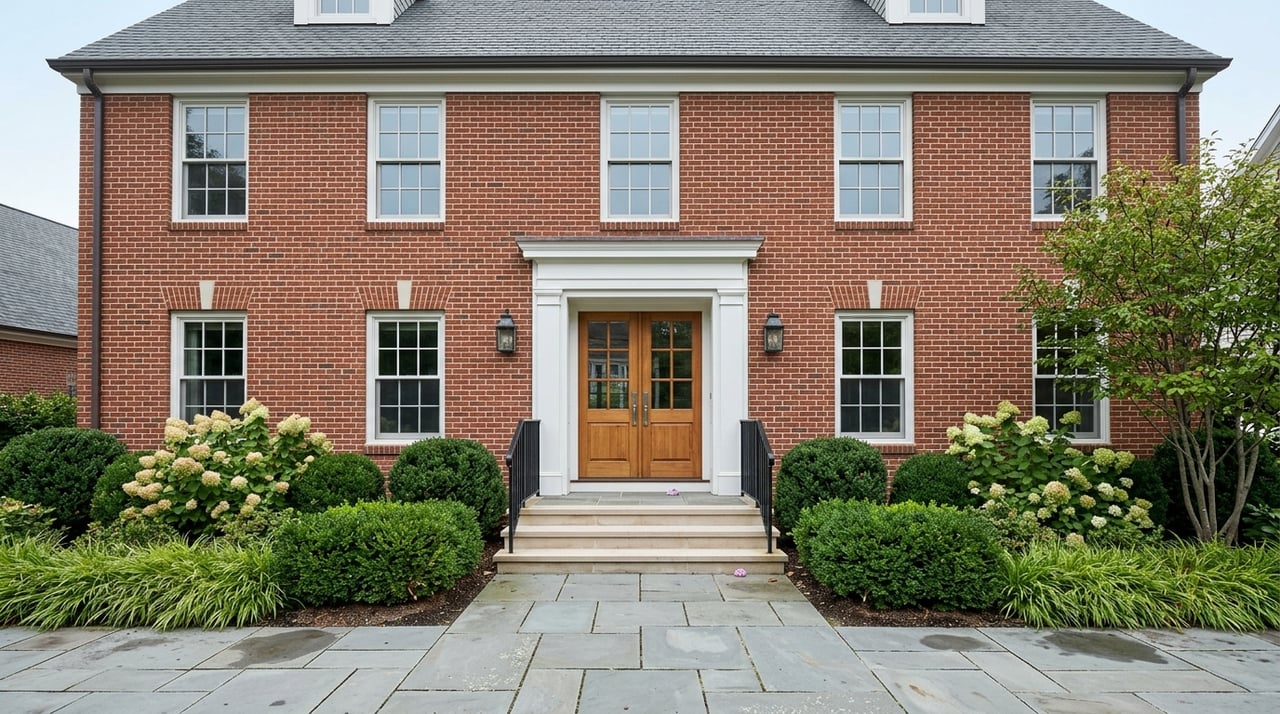
For this guide, a house means a detached single-family home. In general, a house gives you the most privacy and the most control over the property.
That control also means more responsibility. As the Consumer Financial Protection Bureau explains, buyers should think beyond the mortgage payment and account for the full cost of ownership, including taxes, insurance, and other ongoing expenses.
Condo ownership basics
A condo is a separately owned unit plus an undivided interest in the common elements, according to the New York Attorney General’s condominium guidance. You own your individual unit, but you share ownership of common areas with other unit owners.
Most condo owners also pay monthly common charges or HOA-style dues. The CFPB notes that these fees are usually separate from the mortgage payment and can range from a few hundred dollars to more than $1,000 per month, depending on the building and services.
Co-op ownership basics
A co-op works differently. Under the New York Attorney General’s co-op guidance, you are buying shares in a corporation and receiving a proprietary lease for the apartment, rather than owning the unit as real property in the same way you would with a house or condo.
Co-ops typically come with maintenance charges, and the purchase process often involves more document review. The Attorney General recommends reviewing the offering plan, board minutes, and financial reports carefully, and consulting an attorney or engineer when needed.
How Port Washington buyers often compare them
In Port Washington, the decision usually comes down to three trade-offs: space versus maintenance, independence versus shared governance, and sticker price versus monthly carrying costs.
Houses offer space and flexibility
Buyers who choose houses often want a yard, privacy, storage, and the freedom to make changes over time. That can be especially appealing if you want outdoor space or a more traditional single-family setup.
The trade-off is cost and upkeep. Realtor.com currently shows 38 single-family listings in Port Washington with a median listing price of $1.25M and median days on market of 30, which gives you a sense of how this segment is positioned right now.
Condos offer a middle ground
Condos can appeal to buyers who want ownership with less exterior maintenance than a house. You may still get a strong ownership feel, but with fewer day-to-day responsibilities tied to the outside of the property.
That said, condos are not automatically the budget option. Realtor.com currently shows 11 condo listings in Port Washington, with examples around $628,000, $775,000, and $1.389M. The range is wide, so it is important to compare both asking price and monthly charges.
Co-ops can work for buyers comfortable with shared governance
Co-ops often appeal to buyers who want a building-oriented lifestyle and are comfortable with board review and shared rules. In many cases, they can offer a different entry point into Port Washington ownership, but not always a lower total monthly cost.
Public Port Washington co-op examples range from a two-bedroom unit sold for $610,000 in 2025 to a waterfront co-op example valued around $1.5M. That is why price alone rarely tells the whole story with co-ops.
Compare your monthly costs carefully
If you only compare purchase prices, you can miss the most important part of the decision.
What to include in your budget
The CFPB says buyers should include:
- Principal and interest
- Property taxes
- Homeowners insurance
- Mortgage insurance, if applicable
- Condo or HOA dues, if applicable
- Flood insurance, if needed
The CFPB also notes that condo and co-op associations usually carry master insurance for common areas, but you still need your own policy for your unit. In Port Washington, where values are substantial, taking a full-budget view can help you avoid stretching too far.
Why monthly carrying cost matters here
In a market with a median owner-occupied value above $1 million, the wrong monthly budget can put pressure on your lifestyle after closing. A house may have a higher price but no monthly common charge. A condo may have a lower purchase price than some houses, but monthly dues can change the math. A co-op may look attractive upfront, but maintenance and building requirements still need close review.
Match the property type to your lifestyle
A smart decision usually starts with how you want to live, not just what type of property sounds appealing on paper.
Choose a house if you want control
A house may be the best fit if your top priorities include:
- A private yard
- More storage space
- Greater privacy
- More freedom to change or improve the property over time
This option often fits buyers who want a more independent ownership experience and are prepared to handle the upkeep that comes with it.
Choose a condo if you want balance
A condo may be right for you if you want:
- Ownership with less exterior maintenance
- A middle ground between a house and a co-op
- Shared amenities or common spaces
- A more simplified day-to-day ownership experience
Just make sure the monthly common charges fit comfortably into your budget, since the CFPB notes these dues are usually separate from your mortgage payment.
Choose a co-op if you value the building lifestyle
A co-op may make sense if you are comfortable with:
- Maintenance charges
- Board review and approval processes
- Shared governance and building rules
- A more document-heavy purchase process
Before moving forward, the New York Attorney General advises reviewing the offering plan, board minutes, and financial statements carefully.
Port Washington details to confirm before you buy
In this market, a few local details can influence your decision in a big way.
Confirm school zoning by address
If school assignment matters to your household, verify it early. The Port Washington School District says it has five elementary schools and uses address-based attendance zones.
That means the exact property address matters. A neighborhood name or listing description is not enough, so confirm the school zone directly before making any assumptions.
Think about lifestyle and access
Port Washington’s waterfront setting is part of its appeal. Depending on where you buy, your day-to-day routine may be shaped by proximity to the train, local docks, waterfront walkways, or recreation like kayaking and sailing.
That does not automatically point to one property type over another, but it should influence how you rank your priorities. If you want to spend less time on maintenance and more time enjoying the area, that may point you in a different direction than if your focus is yard space and long-term flexibility.
A simple way to decide
If you feel stuck, use this quick framework.
Ask yourself these four questions
- Do you want the most privacy and control, even if upkeep is higher?
- Do you prefer a middle ground with shared maintenance but direct ownership?
- Are you comfortable with board oversight and a more detailed approval process?
- What monthly payment feels sustainable once you include all recurring costs?
Your answers usually make the right option clearer. In Port Washington, the best choice is rarely about one headline number. It is about how the property fits your budget, your routine, and your comfort with ownership responsibilities.
The bottom line
A house, condo, and co-op can all make sense in Port Washington, but they solve different problems. A house gives you more space and independence. A condo offers ownership with less exterior maintenance. A co-op may suit buyers who are comfortable with shared governance and careful document review.
The key is to compare the full picture, including lifestyle, purchase structure, and monthly carrying costs. If you want help narrowing down the right fit in Port Washington or exploring available opportunities on the North Shore, connect with Raquel Knoell for personalized guidance.
FAQs
What is the difference between a condo and co-op in Port Washington?
- A condo means you own your individual unit plus a shared interest in common elements, while a co-op means you buy shares in a corporation and receive a proprietary lease for the apartment, according to the New York Attorney General.
Are condos always cheaper than houses in Port Washington?
- No. Current Port Washington condo examples range from about $628,000 to $1.389M, so condos are not automatically the lowest-cost option.
What monthly costs should buyers include for a Port Washington property?
- Buyers should include principal, interest, taxes, homeowners insurance, mortgage insurance if applicable, condo or HOA dues if applicable, and flood insurance when needed, according to the CFPB.
How do school zones work when buying in Port Washington?
- The Port Washington School District uses address-based attendance zones for its five elementary schools, so you should confirm the exact school assignment by property address.
Is a house or condo better for Port Washington commuters?
- It depends on your priorities. Port Washington offers LIRR service to Penn Station, Grand Central, and other stops, so many commuters focus on balancing train access, maintenance needs, and monthly housing costs rather than choosing one property type by default.