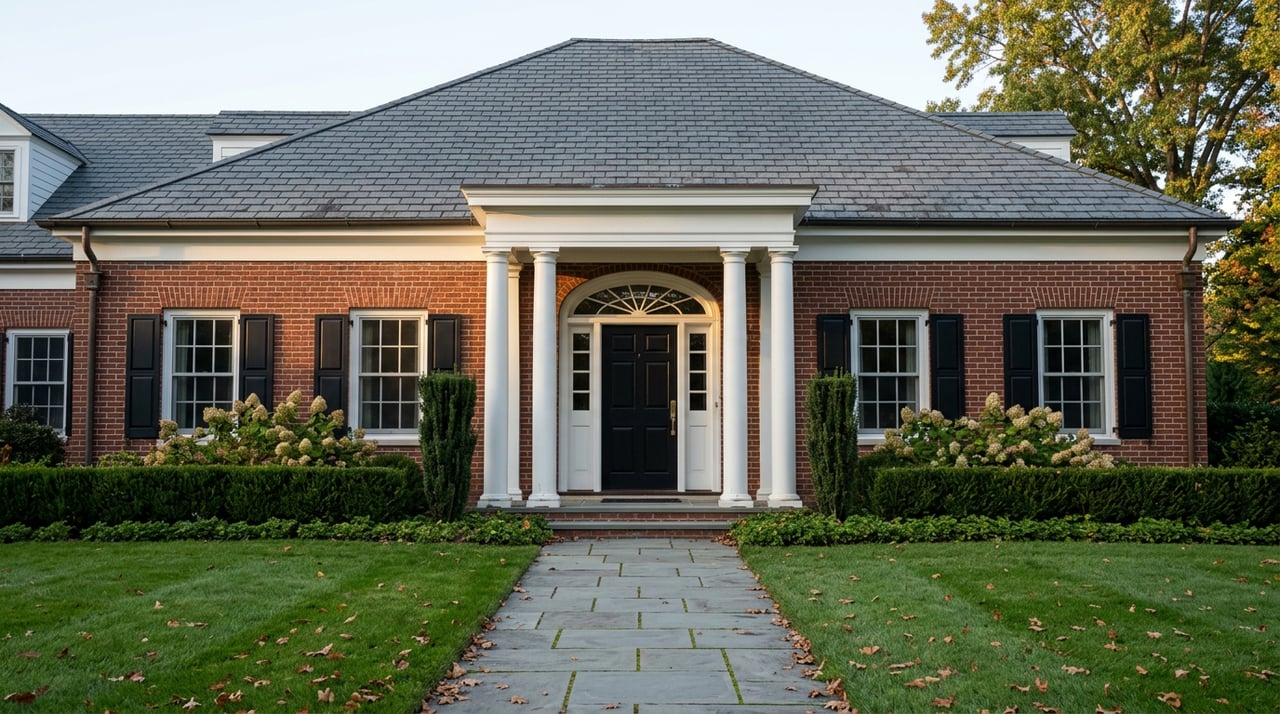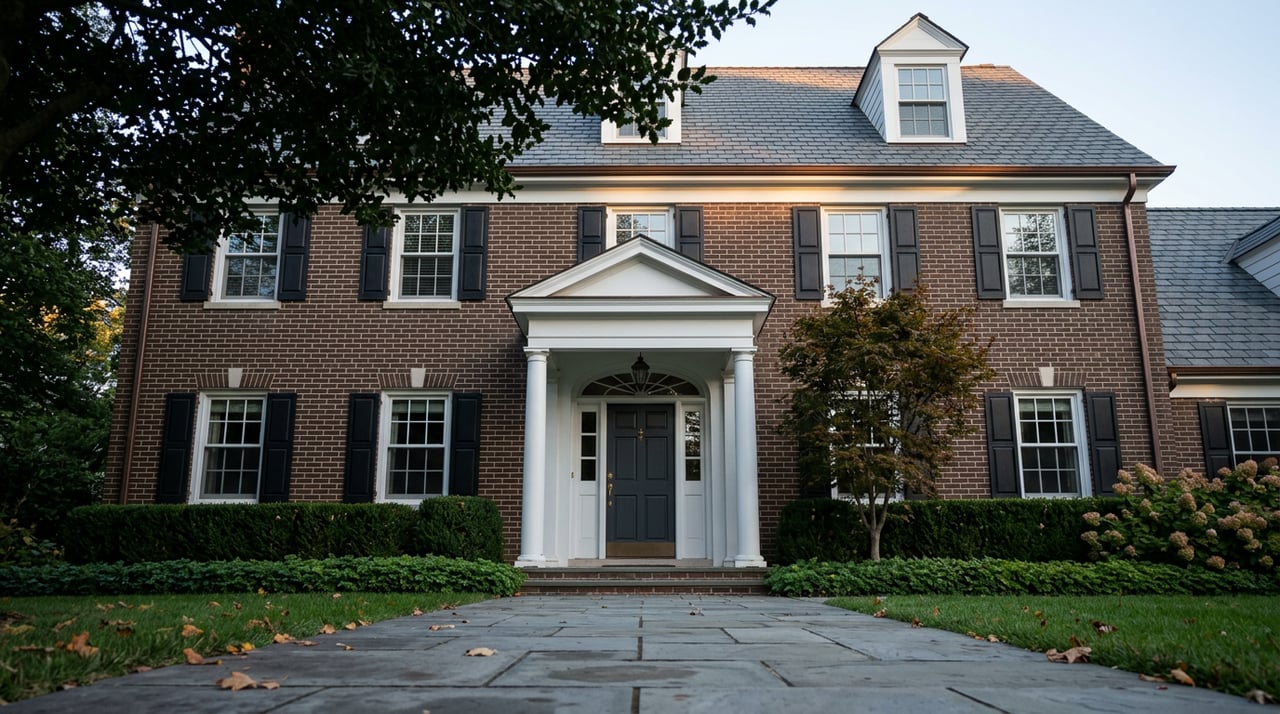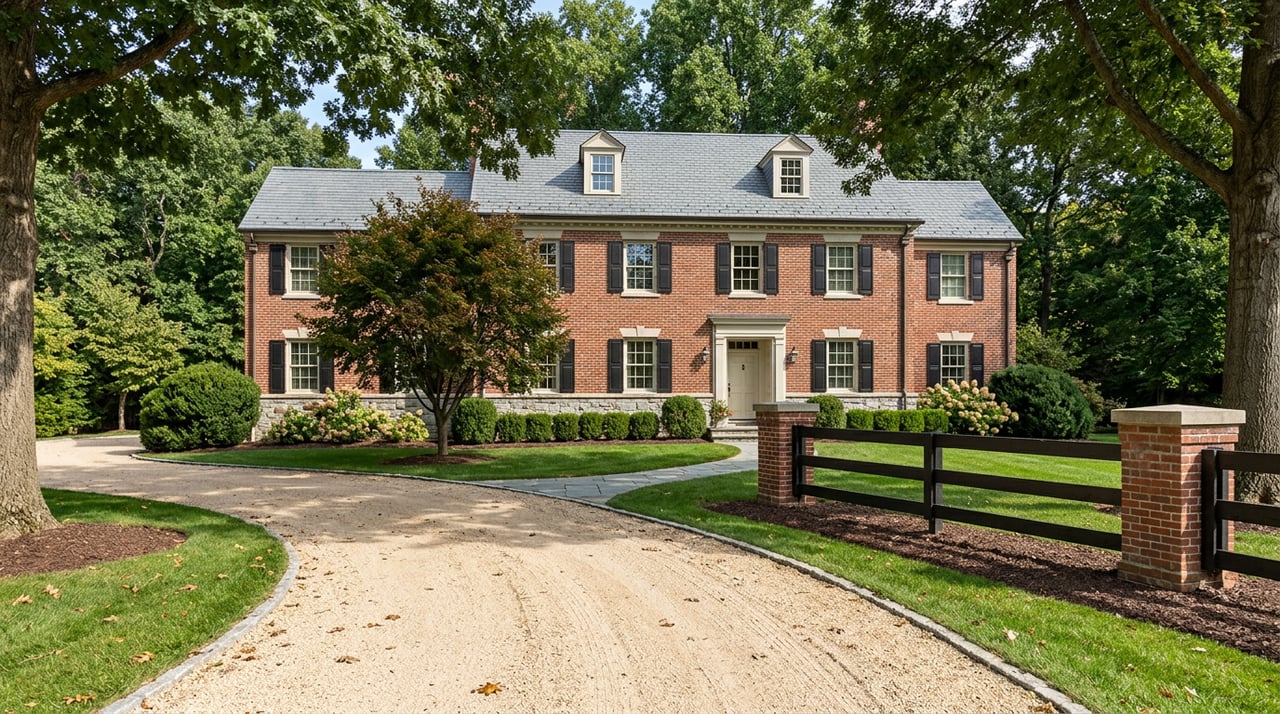
If you picture turning off a quiet North Shore road and rolling up a long, tree-lined drive to your own private retreat, Old Brookville might already be on your shortlist. You want space, privacy and a setting that feels timeless, but you also need a clear view of what estate living means day to day. In this guide, you’ll learn what an Old Brookville estate typically includes, how local zoning shapes your options, and what to expect for maintenance, utilities, taxes, commute, schools and community life. Let’s dive in.
What estate living looks like
Old Brookville is an incorporated village in the Town of Oyster Bay, a small community of roughly 2,000 residents that sits in Long Island’s North Shore countryside. You feel the difference the moment you arrive. Parcels are large, homes sit well back from the road, and the landscape reads like a private park. You trade close-knit blocks for a calm, secluded setting that still keeps you within reach of everyday needs.
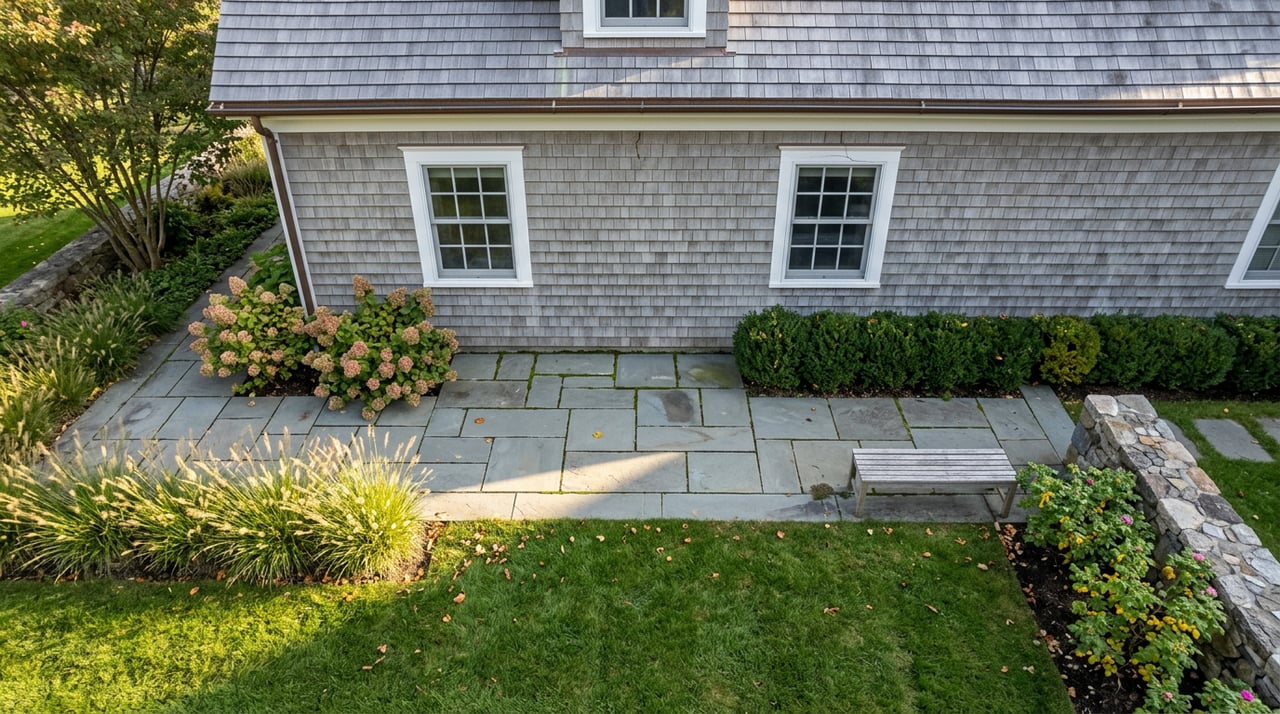
Typical properties range from about 1 to 6 acres, with many even larger. You often see private drives and gates, mature specimen trees, detached garages and service buildings, formal gardens and generous outdoor rooms. On many estates, you will also find pools, tennis or sport courts, and on larger parcels, small barns and paddocks. Old Brookville’s market is estate oriented, and typical list prices are often in the multi‑million dollar range. Always verify current numbers with live local data before you set a budget.
For village context, services and contacts, start with the official village resource page for Old Brookville. It is a helpful hub for local departments, districts and emergency contacts.
- Reference: See the village’s resource list at the Old Brookville website: village resources and contacts.
Zoning rules that shape estates
Old Brookville’s look and feel is intentional. The village zoning map includes large-residence districts with significant minimum lot sizes and strict bulk controls. Many districts expect net lot areas of 1 to 4 acres or more, which preserves spacing and limits dense infill. These standards affect where you can place a house, guest cottage, pool house, barn or tennis court, and they keep side and rear yards substantial for privacy.
- Reference: Review the village code for minimum lot areas and residence districts at Old Brookville zoning code.
New builds and major additions typically go through planning and architectural review. Setbacks, height and coverage limits, driveway placement, and accessory structure sizes are closely regulated. If you are planning a guest house, a large garage or any outbuilding, confirm allowable uses and required setbacks early in your due diligence.
- Reference: For site planning, subdivision standards and board review, see planning and subdivision regulations.
Daily operations and upkeep
Estate living offers space and freedom, but it also comes with more moving parts. If you are shifting from a compact village lot, plan for the following.
Grounds and landscape
Expect weekly or biweekly landscape service during the growing season. Larger lawns, irrigation, mature trees and long drives need ongoing care. Seasonal pruning, arborist visits for specimen trees, and storm cleanup become part of your household calendar. Snow removal for long driveways may require specialized equipment or an on-call vendor.
Pools and courts
Pools need weekly in-season service, plus annual openings and closings. Heaters, filters and pumps require periodic maintenance. Tennis and sport courts add resurfacing, net and fence upkeep, and attention to drainage at the edges. Extensive patios and hardscapes benefit from sealing and joint maintenance over time.
Outbuildings and staffing
Guest houses, barns and multi-bay garages add systems to monitor. Roofing, gutters, septic, drainage, entry gates and lighting should be on a preventive maintenance schedule. Many owners coordinate a small roster of vendors. On the largest properties, some hire part-time or full-time help for grounds or household management. The right team keeps the property running smoothly so you can enjoy it.
Utilities and systems
Understanding utilities up front helps you plan for comfort, resilience and long-term costs.
Water. The village code restricts private wells in favor of public water service. Because North Shore communities have seen various water-supplier structures over time, including private companies and public authorities, confirm your specific water provider and current rates before closing. You can also follow regional discussions about water governance at the state level for future context.
- Reference: Water provisions are addressed within the Old Brookville zoning code and regional governance has been discussed at the state level, such as the New York Senate bill S989.
Sewer or septic. Many estate parcels in and around Old Brookville use cesspools or septic systems rather than a municipal sewer connection. This affects replacement timelines, potential upgrades and permit planning. Always verify the parcel’s status with county records and, if needed, a licensed septic professional.
Electricity and gas. PSEG Long Island is the electric distribution utility in this region. Natural gas service varies by address. Many higher-value homes add a whole-house generator for storm resilience.
- Reference: Utility service information is available at PSEG Long Island.
Budget signals to factor in
Property taxes are a material line item on multi‑million dollar estates. Tax bills vary by parcel and by school district, and the largest homes can carry six‑figure annual taxes. Always review the county assessment roll, the most recent tax bills, and any pending grievance. Insurance is another lever. Larger buildings, pools and multiple structures increase replacement value, which can push premiums higher. Flood, freeze and snow exposures, plus historic planting and hardscape, may guide which contractors and carriers you choose.
- Reference: Check ownership, assessment and tax details in the county system at the Nassau County Land Records Viewer.
Getting around
You are close to North Shore stations on the Oyster Bay branch of the Long Island Rail Road. Common stations for the area include Glen Head, Greenvale, Locust Valley and Oyster Bay. Depending on the train, you may transfer for service to Manhattan. Many residents also drive to nearby highways for direct city access. Travel times vary with traffic and time of day, so test your likely routes at the hours you care about most.
- Reference: See the LIRR station list and accessibility details at the MTA’s Oyster Bay branch stations page.
Schools and village services
Old Brookville is served primarily by the North Shore and Locust Valley school districts. Since boundaries can zigzag, confirm the district for any address before making a decision. Village public safety is handled locally, including Old Brookville Police and the Glenwood Landing Fire Department. If you are planning remote outbuildings or long driveways, include response times and insurance input in your planning.
- Reference: Find school district references and local departments on the village’s resources page.
Community and leisure
Country clubs are a classic part of North Shore social life. Nearby names include Brookville Country Club, Cedar Brook Club and Piping Rock Club, among others. Membership choices often shape how you entertain and how much you use your own outdoor amenities.
An equestrian thread also runs through the area. Many buyers choose parcels large enough for small paddocks or a private barn, subject to village and health codes. If you prefer off-site options, there are multiple boarding stables and riding centers within a reasonable drive.
- Reference: Explore regional riding options through directories such as local stables and riding centers.
Privacy is part of the draw. Large setbacks and heavy tree buffers make homes feel secluded. At the same time, the village’s planning and review process is active. Major projects can involve public hearings and neighbor input. Work with your architect and agent early to map the process and timeline so your plans stay on track.
Can you keep horses
Maybe. It depends on parcel size, your zoning district, setbacks and health rules. Some owners keep a few horses on-site, while others board locally. Before you design a barn or paddock, confirm allowable accessory uses and manure and drainage requirements with the village building office. A quick early conversation saves time later.
- Reference: See zoning fundamentals and definitions at the Old Brookville zoning code.
Buyer checklist for Old Brookville
Use this list to focus your due diligence and avoid surprises.
- Confirm zoning and setbacks. Identify the zoning district, minimum lot size and bulk rules. Ask your architect to sketch preliminary siting for any planned pool, barn, garage or addition. Start with the zoning code and planning and subdivision regulations.
- Verify utilities. Ask the seller and your inspector to confirm water provider, sewer or septic, gas availability and any private well prohibitions. Review generator size and age if present.
- Check taxes and assessment. Pull the assessment roll, last two tax bills and any grievance outcome at the Nassau County Land Records Viewer. Remember that taxes vary by parcel and school district.
- Inspect key systems. Pools, irrigation, septic, drainage, roofing, gates and automation should be reviewed by qualified pros. Ask for service records and warranties.
- Map your commute. Test rail and driving routes at your typical hours. Review station parking rules and options on the MTA site.
- Review clubs and lifestyle fit. Tour nearby clubs by appointment and assess how membership might complement your estate amenities.
- Plan your vendor bench. Line up landscaping, pool service, arborist, snow removal and pest control. Ask neighbors and your agent for vetted local referrals.
Is Old Brookville right for you
If you want space, privacy and a setting that feels like countryside without giving up North Shore convenience, Old Brookville delivers. You trade compact blocks for long views across lawns and mature trees, and you gain room for the indoor and outdoor rooms you have imagined. In return, you take on a bit more planning, more vendor coordination, and a careful read of village rules that protect the calm you came for. With the right team and a clear plan, estate living here feels both peaceful and practical.
If Old Brookville is on your radar, we would love to help you refine your search, preview off-market options, and pressure test the details that matter to you. Reach out to Raquel Knoell to start a private consultation, get an instant valuation or join our VIP alerts for curated listings.
FAQs
What defines an estate in Old Brookville
- Large parcels, often 1 to 6 acres, with homes set well back from the road, mature trees, and amenities like pools, courts and sometimes small barns or paddocks.
How does zoning affect pools, barns and guest houses
- The village enforces minimum lot sizes, setbacks, coverage and accessory structure rules, so confirm siting and approvals early using the Old Brookville zoning code and planning regulations.
Will my Old Brookville home be on public sewer
- Many properties rely on cesspools or septic rather than municipal sewer, so verify the parcel’s status with county records and your inspector during due diligence.
What should I expect for utilities and resilience
- Public water is typical under village rules, electric service is provided by PSEG Long Island, and many estates add whole-house generators for storm readiness.
Which school districts serve Old Brookville
- Properties are primarily served by the North Shore and Locust Valley districts, but boundaries vary, so confirm the assigned district for each address with official resources.
Can I subdivide a large Old Brookville lot
- Often not easily. Minimum lot sizes, frontage and planning review make simple splits uncommon. Discuss feasibility with the village and a land-use professional before you buy.