Thinking about buying an estate in Old Brookville for the long haul? That kind of move can be exciting, but it also comes with a very different set of rules, costs, and timing factors than a typical suburban home purchase. If you are planning a long-term move here, you need more than curb appeal and square footage. You need a clear picture of how Old Brookville works, what ownership really costs, and how the local market behaves over time. Let’s dive in.
Old Brookville has a true estate feel
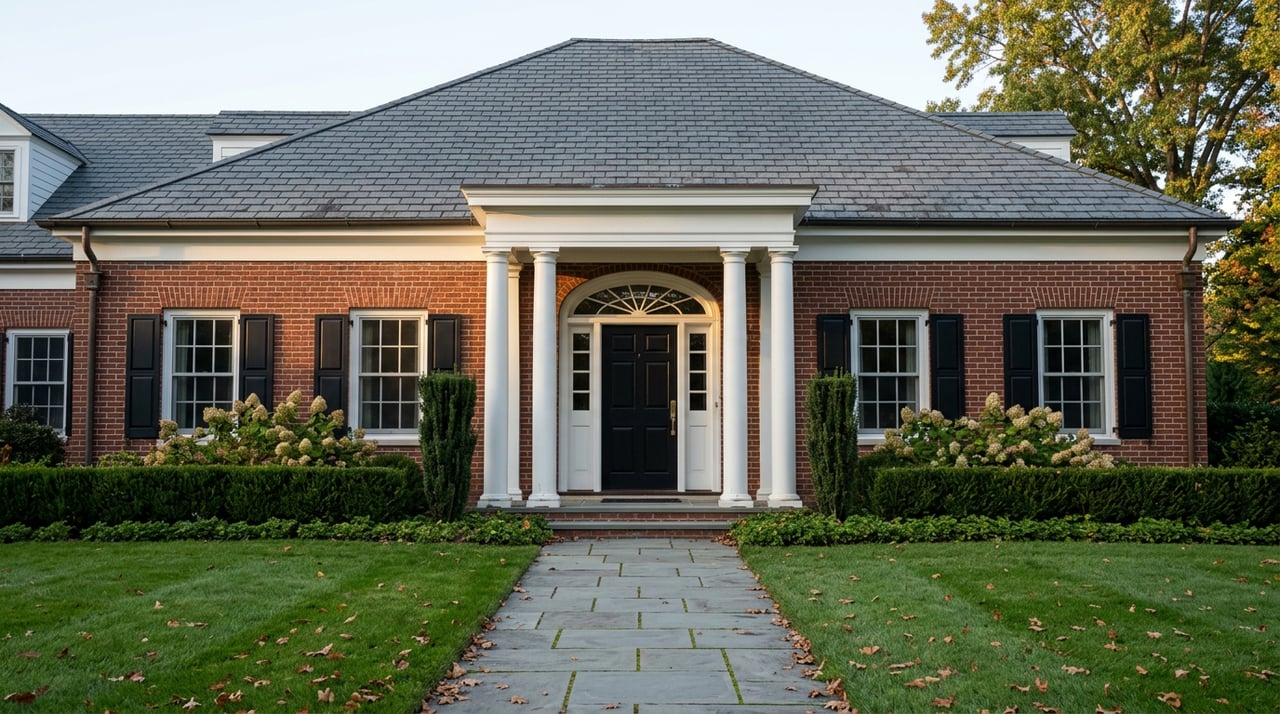
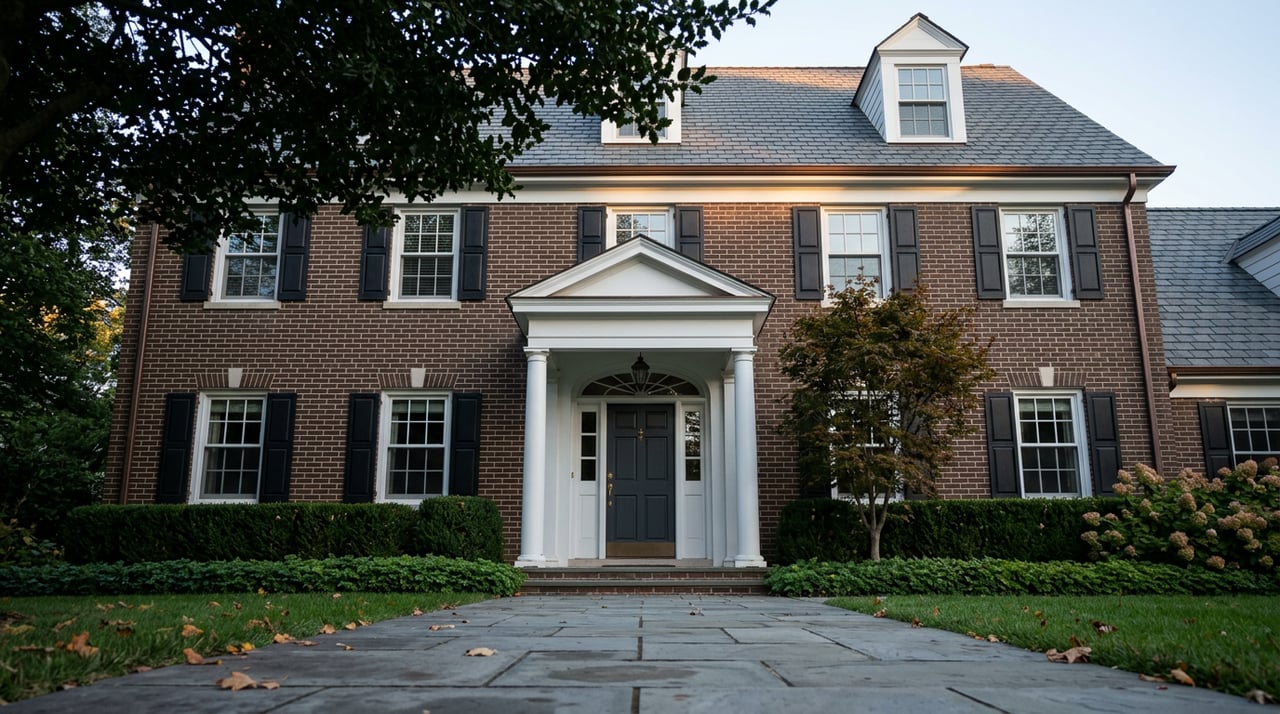
Old Brookville is an incorporated village in the Town of Oyster Bay, established in 1929. The village reports more than 2,100 residents across about four square miles, with homes, horse farms, and golf courses shaping the landscape. That combination gives the area a distinct estate-market identity on Long Island’s North Shore.
For you as a buyer, that means the experience is often less about finding a standard move-in-ready suburban property and more about evaluating land, privacy, setting, and long-term fit. In a market like this, the property itself is only part of the decision. The surrounding rules and ownership expectations matter just as much.
Long-term planning matters more here
Old Brookville is not a market that naturally supports quick flips or short-term rental strategies. Local code limits rental activity, prohibits short-term rentals, bars room-by-room leasing, and allows only one family to rent or occupy a dwelling at a time. It also limits otherwise permitted rental occupancies to two within any 365-day period.
That makes this village a stronger fit for buyers who plan to stay, use the property personally, and think several years ahead. If you are approaching the purchase as a lifestyle decision and a long-range asset, your planning will likely be more aligned with how the village is structured.
Zoning shapes how you can use the property
The village’s residential code allows single-family detached dwellings, farms, and parks. Golf and tennis clubs are allowed only on very large parcels and require Planning Board review. In simple terms, Old Brookville is designed to remain low-density and character-driven.
That matters because estate buyers often assume a large property gives them broad freedom to change the site later. In Old Brookville, property rights still exist within a framework of local review and code limits. Before you buy, it is smart to look at what is already there and what may or may not be possible in the future.
Horses come with specific rules
Horse ownership is one of the clearest examples of Old Brookville’s estate character. Horses are allowed only on lots of at least two acres, and the code sets limits on horse count, setbacks, manure storage, drainage, and accessory structures.
If equestrian use matters to you, do not assume any large parcel will work the same way. You will want to confirm whether the lot size, existing improvements, and site layout support your intended use under village rules.
Guest spaces are not open-ended rentals
Old Brookville allows accessory dwelling-type structures only for guest-house or servant-quarters use. These structures cannot create rental income.
For a long-term buyer, this is important if you are thinking about flexible living arrangements. A guest house may support personal use, but it should not be viewed as a built-in income opportunity.
Privacy upgrades may need approval
One of the biggest surprises for estate buyers can be how regulated visible site changes are. In Old Brookville, fences require Architectural Review Board approval and a building permit. Gated entrances can trigger site-plan review and added safety approvals.
That means your privacy plan should start before closing, not after. If your vision includes gates, fencing, walls, or other exterior changes, you will want to understand the approval path, likely timing, and added cost before you commit to a property.
Lot changes are not simple either
Lot divisions cannot create zoning violations. That may sound obvious, but it is especially relevant in a village where land character and low density are part of the local structure.
If you are buying with the idea of reconfiguring land later, you should evaluate that plan very carefully. In many cases, long-term value will come more from preserving a usable, compliant property than from trying to force a future subdivision or major change.
Carrying costs go beyond the mortgage
A long-term move to Old Brookville requires a realistic ownership budget. In New York, property taxes are local, and Nassau County says tax bills can include county, town, village, school district, library district, and other special districts. In incorporated villages, village taxes are billed separately.
That means you should model the full carrying cost of ownership, not just principal, interest, and basic escrow. An estate purchase can look manageable at first glance, but the full monthly and annual picture may be broader than expected.
Budget for ongoing property upkeep
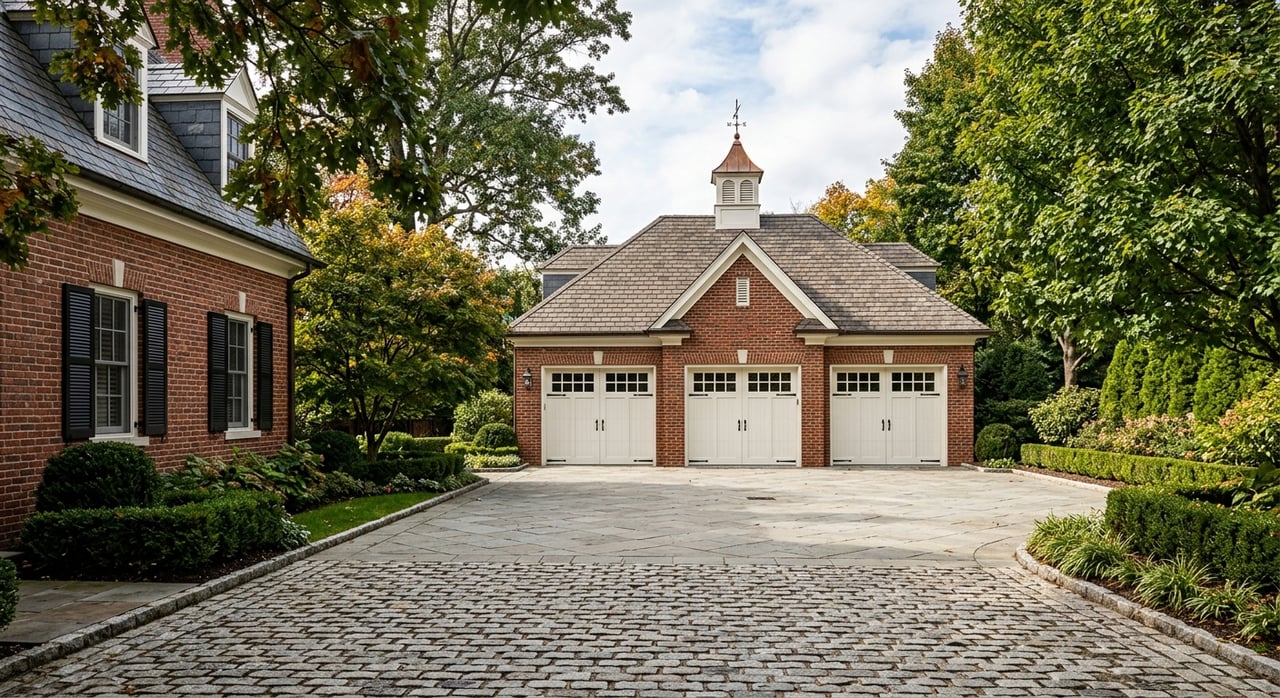
Estate-style ownership often includes larger grounds and more exterior features to maintain. Based on the village structure and local review process, buyers should reasonably plan for landscaping, tree care, drainage, snow removal, exterior maintenance, and permit-related improvements to features like fences, gates, barns, or outbuildings.
Even when a home is in excellent condition, the land itself can carry meaningful upkeep demands. Over time, your ownership experience will depend as much on maintenance planning as on the home’s interior finishes.
Climate and insurance deserve early attention
A current due-diligence issue for long-term buyers is climate exposure. Available market data using First Street information classifies Old Brookville as having a moderate flood factor and a major wind factor over the next 30 years.
For you, that makes insurance review a priority, not an afterthought. It also supports taking a close look at drainage, roof condition, mature trees, and site management before you close.
Tree and drainage planning can protect value
Large lots often come with mature landscaping, and that can be a major part of a property’s appeal. It can also create added maintenance and risk exposure over time, especially when wind is a factor.
As you compare properties, think about whether the site appears well-managed and whether drainage has been addressed thoughtfully. Those details may not feel glamorous during a showing, but they can make a real difference in long-term comfort and cost.
Old Brookville moves at its own pace
If you are used to the broader Nassau County market, Old Brookville may feel very different. Over the three months ending May 2026, available market data showed Old Brookville with a median sale price of $2.2 million, an average of 294 days on market, and only 5 homes sold in May.
By comparison, Nassau County overall had a median sale price of $847,458 and a median of 32 days on market over the same period. That gap suggests Old Brookville has a narrower buyer pool and a slower resale rhythm.
Patience is part of the strategy
In a thinner market, pricing, timing, and buyer fit matter a lot. If you are buying for the long term, that is not necessarily a negative. It simply means you should not expect the same pace or resale dynamics you might see in a more active suburban segment.
This is one reason estate purchases here are best framed as multi-year decisions. Long-term usefulness, privacy, land quality, condition, and code compliance may matter more than betting on quick appreciation.
Renovation plans can affect taxes
If you are buying with major updates in mind, include assessment risk in your planning. Nassau County notes that construction or renovation can increase assessed value, even where annual assessment rules may otherwise limit some increases.
That does not mean you should avoid improving a property. It does mean you should think through renovation timing, financing, and tax impact before closing so your post-purchase plan stays financially comfortable.
Build the right team before you buy
An Old Brookville estate purchase deserves careful due diligence. Because village code, property taxes, approval processes, and long-term upkeep all play a major role, this is not a purchase you want to approach casually.
Before moving forward, it is wise to plan with a real estate attorney, lender, inspector, and tax adviser. The right guidance can help you evaluate the property not just as it looks today, but as it will function for you over the years ahead.
What smart buyers focus on most
When you plan a long-term move to an Old Brookville estate, your best questions usually go beyond style and finishes. You will likely be better served by focusing on fundamentals like these:
- How the property fits current village code
- Whether fences, gates, or other planned upgrades may need approval
- The full property tax picture, including village taxes
- Ongoing maintenance needs for land, trees, drainage, and outbuildings
- Insurance considerations tied to flood and wind exposure
- How renovation plans could affect future assessments
- Whether the property supports your long-term lifestyle better than a short-term investment model
A beautiful property can still be the wrong fit if the long-range ownership picture does not line up with your goals. In a market like Old Brookville, clarity up front can save you significant time, money, and stress later.
If you are weighing a move on Long Island’s North Shore and want thoughtful, local guidance, Raquel Knoell can help you evaluate your options with a long-term strategy in mind.
FAQs
What makes Old Brookville different from a typical Nassau County home market?
- Old Brookville is a low-density incorporated village with an estate-style character shaped by larger properties, local zoning controls, and a slower, more specialized resale market.
What should buyers know about rental rules in Old Brookville?
- Village code prohibits short-term rentals, bars room-by-room leasing, allows only one family to rent or occupy a dwelling at a time, and limits otherwise permitted rental occupancies to two within any 365-day period.
What should buyers know about adding gates or fences in Old Brookville?
- Fences require Architectural Review Board approval and a building permit, and gated entrances can require site-plan review and additional safety approvals.
What should buyers know about horse property in Old Brookville?
- Horses are allowed only on lots of at least two acres, and local rules also address horse count, setbacks, manure storage, drainage, and accessory structures.
What should buyers budget for when owning an estate in Old Brookville?
- In addition to mortgage costs, buyers should account for county, town, village, school district, and other possible tax layers, plus ongoing expenses like landscaping, tree care, drainage, snow removal, and exterior maintenance.
What should buyers know about resale timing in Old Brookville?
- Available market data suggests Old Brookville is a slower, thinner market than Nassau County overall, so buyers should generally approach the purchase as a long-term ownership decision rather than a quick-turn strategy.