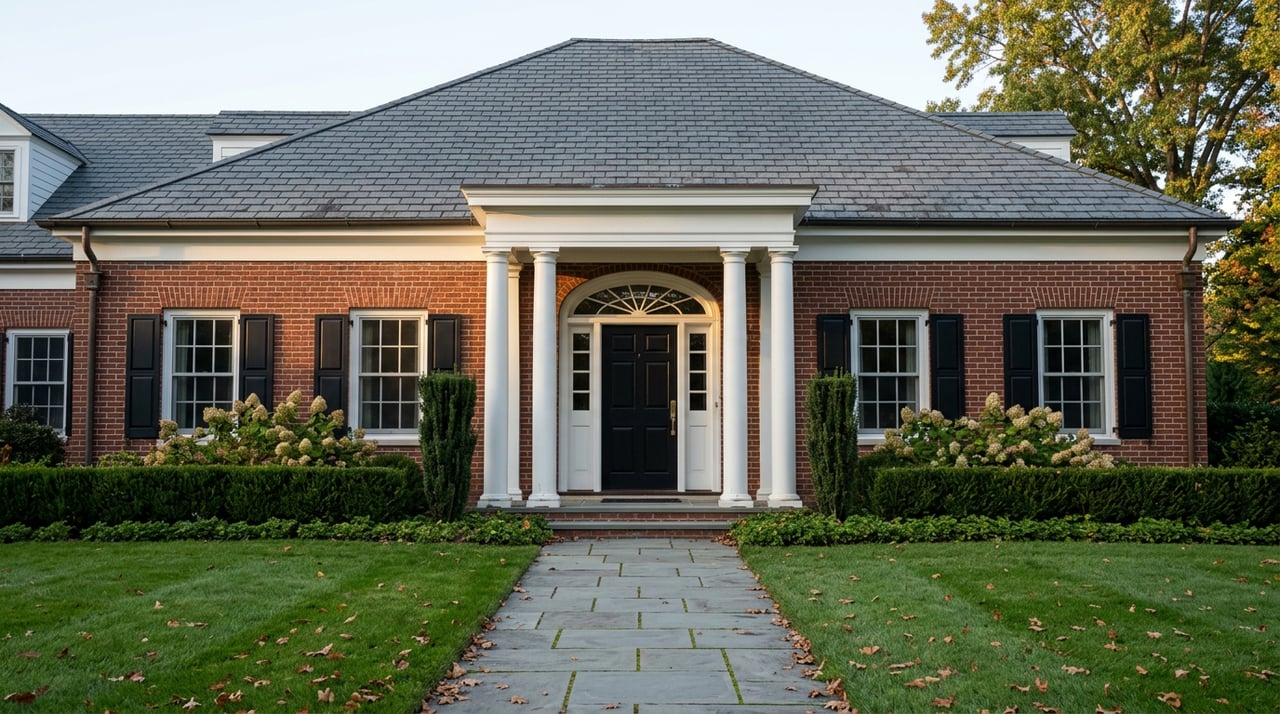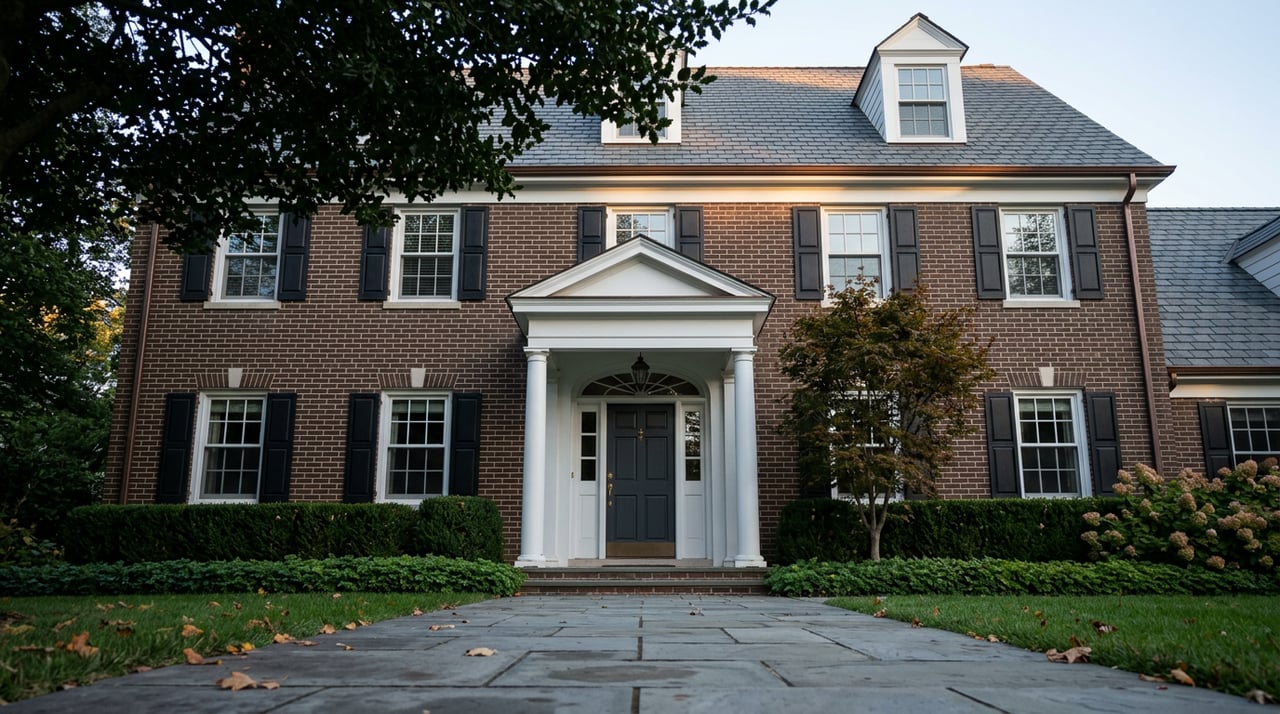
If you are trying to buy in Glen Cove, one of the biggest decisions is not just which home to buy, but what type of home fits your life best. Some buyers want more privacy and control, while others want less exterior upkeep and a simpler day-to-day routine. The good news is that Glen Cove offers more than one path, and understanding the tradeoffs can help you make a smarter move. Let’s dive in.
Glen Cove Home Types at a Glance
Glen Cove has a housing mix that gives you real options. According to the city’s Smart Growth Comprehensive Plan and supporting DGEIS, single-family residential uses make up 77.7% of residential land area, while 9% is for two- and three-family uses, 12.3% is multi-family, and 1% is mixed-use.
That matters because it shows two things at once. First, detached homes are still the dominant housing form in Glen Cove. Second, attached living is also part of the city’s planned and built environment, not just a rare exception.
Current Census estimates add more context. Glen Cove has 11,462 housing units and 11,095 households, with a 51.0% owner-occupied rate, a median owner-occupied home value of $698,900, median monthly owner costs with a mortgage of $3,632, and median gross rent of $2,398.
Why Detached Homes Appeal to Buyers
If you want the most direct control over your property, a detached single-family home is usually the clearest fit. In Glen Cove, that preference also lines up with the city’s dominant land-use pattern.
A detached home often gives you more privacy, more yard flexibility, and fewer shared-property decisions. You are typically not relying on a board or association for the same level of day-to-day oversight that can come with attached housing.
For many buyers, that simpler ownership structure feels easier to understand. If your top priorities are personal space, outdoor use, and autonomy, detached homes usually check those boxes best.
The Tradeoff With Single-Family Ownership
More independence usually means more responsibility. With a detached house, more of the exterior upkeep, repairs, and long-term replacement decisions fall on you.
That can include roofing, siding, drainage, landscaping, walkways, and other outside elements. In a market where Glen Cove’s median monthly owner cost with a mortgage is $3,632, it is important to think beyond the purchase price and consider the full ongoing cost of ownership.
This does not make detached homes a better or worse choice. It simply means you should match the home type to your budget, time, and comfort level with maintenance.
Attached Homes in Glen Cove
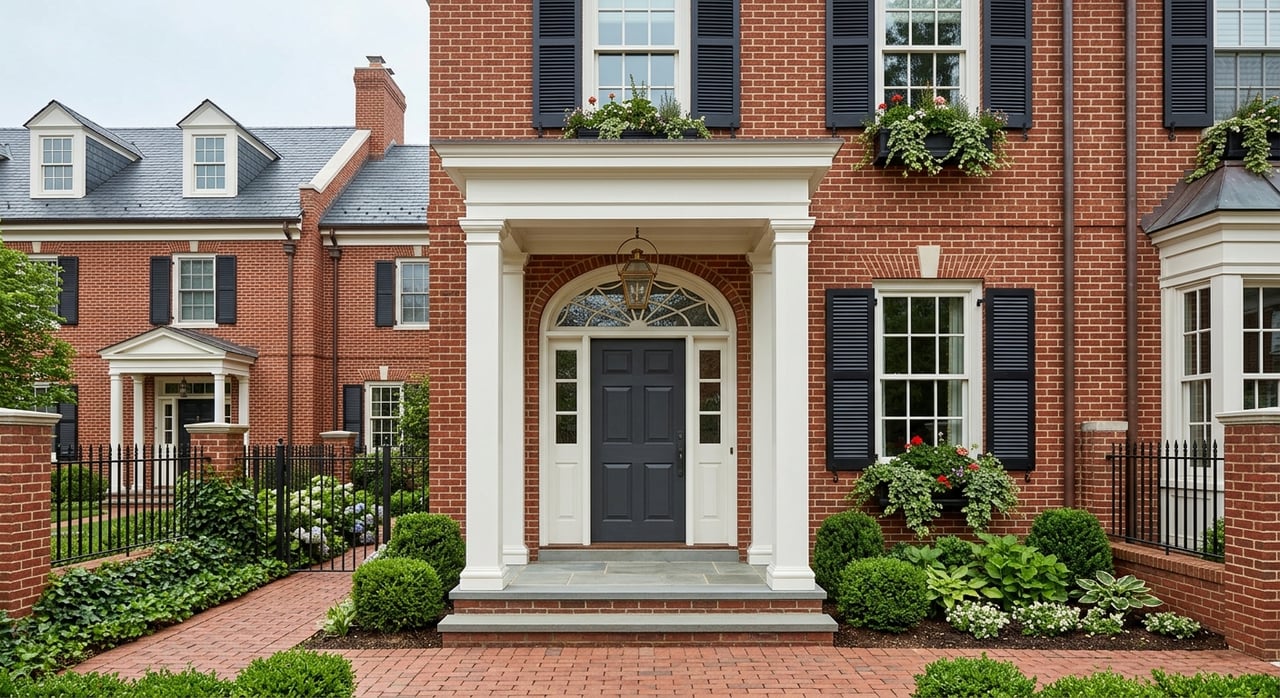
If you are looking for alternatives to a detached house, Glen Cove does have attached-home options. The city code includes R-5 Garden Apartment-Townhouse and R-5B Garden Apartment-Townhouse/Condominium districts, and the waterfront redevelopment project states it will include mid-rise condominium, rental, and townhouse buildings.
That gives buyers another route into the market. Depending on the property, attached living may offer a lower-maintenance lifestyle, shared amenities, or a different price point and layout than a traditional detached home.
Still, attached living comes with a different ownership experience. You may have less exclusive outdoor space and more shared rules than you would with a detached home.
What to Know About Townhomes and Condos
Townhomes and condos can be a strong match if you want to reduce exterior upkeep. In many attached-home communities, maintenance of common areas and certain exterior items is handled through a condo association or homeowners association.
In New York, the Attorney General notes that HOAs may manage homes, town homes, or condo units while enforcing covenants and maintaining common property. That means your monthly costs may include fees tied to shared areas and shared responsibilities.
Before you buy, it is smart to verify exactly what is private and what is common. In townhouse-style developments, ask whether roadways, sidewalks, drainage systems, and retaining walls are common elements or otherwise shared or controlled.
How Co-ops Are Different
Co-ops are their own category, and they work differently from condos or detached homes. In New York, when you buy a co-op, you purchase shares in a corporation and receive a long-term proprietary lease for the apartment.
You also pay maintenance charges based on the number of shares assigned to your unit. This creates a more collective ownership structure than you will see with most houses or condos.
Because of that structure, buyers should review documents carefully. The New York Attorney General advises buyers to read the entire offering plan and consult an attorney before signing.
Compare the Real Monthly Cost
When you compare home types in Glen Cove, focus on the full carrying cost instead of just the list price. That is one of the most useful ways to make a realistic decision.
A detached house may come with a mortgage and direct maintenance costs. A condo or townhome may pair a mortgage with monthly association fees, while a co-op may involve maintenance charges that cover building-related costs.
For local context, Glen Cove’s Census benchmarks show $3,632 in median monthly owner costs with a mortgage and $2,398 in median gross rent. Those figures do not tell you what a specific property will cost, but they do help frame the conversation when you compare houses, condos, townhomes, and co-ops.
Rules Matter More Than You Think
Home type affects your daily life, but it can also affect your future flexibility. That is especially important if you may want to rent the property later.
Glen Cove prohibits short-term or transient rentals of less than 28 days. The city also requires one- and two-family non-owner-occupied rental properties to register with Code Enforcement.
If future rental use is part of your plan, confirm the rules before you commit. This is especially important in attached communities, where building or association rules may add another layer beyond city requirements.
Questions to Ask on a Tour
When you tour different home types in Glen Cove, look beyond finishes and square footage. The better questions often involve ownership structure, maintenance responsibility, and long-term costs.
A strong tour checklist includes asking:
- Which exterior items are private and which are common?
- Who pays for maintenance and major repairs?
- How much authority does the board or HOA have?
- Are there monthly fees or maintenance charges?
- Do the property rules fit your likely future plans?
These questions are especially important for townhouse-style and apartment-style properties. For condos and co-ops, the New York Attorney General also notes that board minutes and financial reports can reveal defects and likely repair costs, including possible facade, roof, elevator, plumbing, electrical, or boiler work in existing buildings.
Which Glen Cove Home Type Fits You?
If you want the simplest ownership structure, the most autonomy, and the most control over your lot, a detached single-family home is often the strongest fit. That is also the housing type most closely aligned with Glen Cove’s existing residential pattern.
If you want to reduce exterior upkeep and are comfortable with shared-property rules, a townhome or condo may make more sense. If you are considering a co-op, be ready for the most collective ownership structure of the group, with shares, maintenance charges, and more document review.
The right answer depends on your budget, lifestyle, maintenance tolerance, and future plans. A good home search is not just about finding a property you like. It is about choosing the ownership experience that fits you best.
If you are weighing detached homes, condos, townhomes, or co-ops in Glen Cove, working with a local team can help you compare the details that matter most. Raquel Knoell can help you narrow your options, understand the tradeoffs, and find a home that fits the way you want to live.
FAQs
What home type is most common in Glen Cove?
- Detached single-family homes are the most common, with single-family residential uses accounting for 77.7% of Glen Cove’s residential land area according to the city’s planning documents.
Are there condos and townhomes in Glen Cove?
- Yes. Glen Cove includes zoning districts for garden apartment, townhouse, and condominium uses, and the waterfront redevelopment project includes condominium, rental, and townhouse buildings.
What is the main benefit of a detached home in Glen Cove?
- A detached home usually offers the most privacy, yard flexibility, and direct control over the property, with fewer shared-property rules.
What should buyers ask before buying a condo or townhome in Glen Cove?
- Buyers should ask what is private versus common, who pays for maintenance, how much authority the HOA or board has, and whether the property rules fit their future plans.
How is a co-op different from a condo in New York?
- In a co-op, you buy shares in a corporation and receive a long-term proprietary lease for the unit, rather than owning the unit in the same way you would in a condo.
Can you use any Glen Cove property as a short-term rental?
- No. Glen Cove prohibits short-term or transient rentals of less than 28 days, so buyers should confirm city and property-specific rules before planning future rental use.